Adult Vaccination: How to Prepare for a Clinician Conversation
Bring records, health context and specific questions so a clinician can apply the current adult vaccination schedule to you.
 Sofia LindbergLongevity & Prevention editor5 September 2026
Longevity & Prevention · Health literacy
Adult vaccine recommendations depend on age, health, work, travel, pregnancy, previous doses and local schedules. A prepared conversation turns a vague “Am I up to date?” into a shared decision.

In short
- Collect records, even if incomplete, and list previous reactions.
- Tell the clinician about conditions, medicines, pregnancy plans, work and travel.
- Ask about benefit, common effects, rare risks, timing and alternatives.
- Use current national guidance; schedules change and are not identical between countries.
Why adults need individual review
Some vaccines require periodic doses, some are recommended after a certain age, and others depend on medical risk or exposure. Childhood records may be incomplete. New vaccines and recommendations can change eligibility. Moving countries can create a different schedule.
A clinician or authorised vaccinator should use the current local programme. An online checklist can prepare questions but should not make the final decision.
Before the appointment
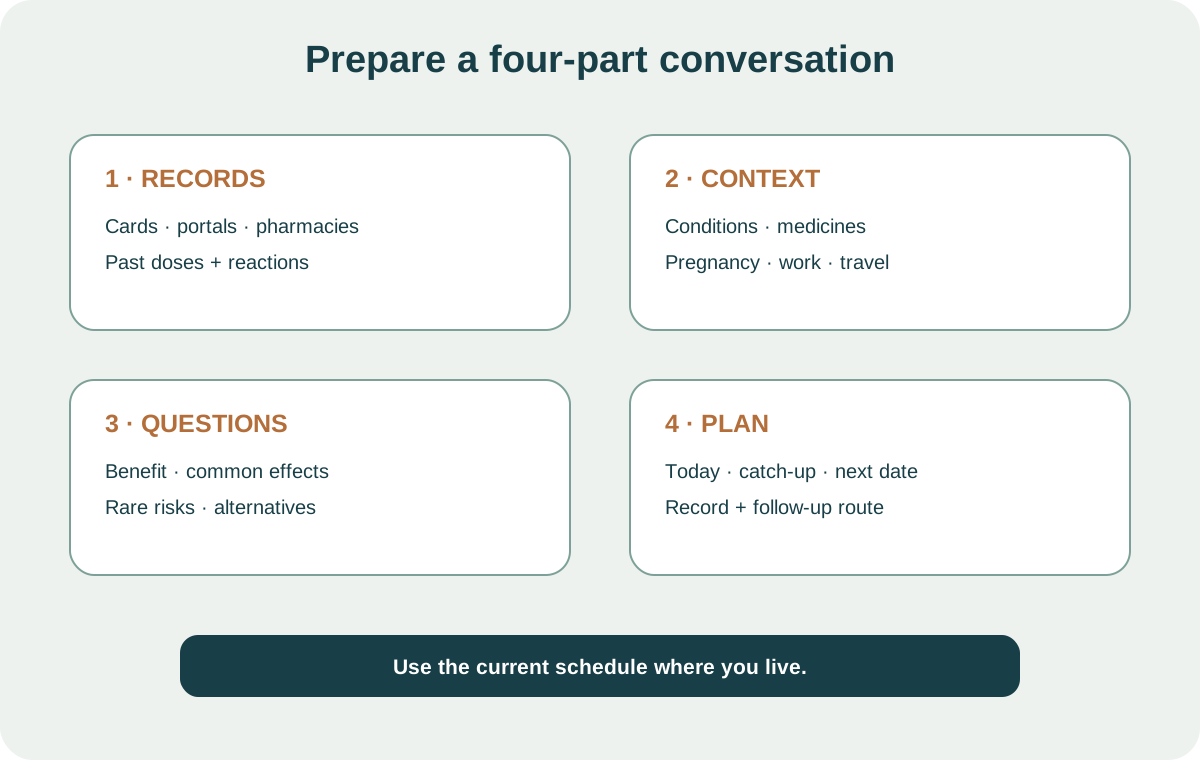
Gather paper cards, patient-portal entries, pharmacy records, occupational-health records and previous clinic details. Do not assume no record means no dose; ask whether a registry is available. Note the approximate date and type of any vaccine received elsewhere.
Write down severe or unusual reactions and how quickly they occurred. Fever, sore arm and fatigue are different from anaphylaxis. If you have a known allergy, bring the exact ingredient or product if possible rather than the label “allergic to vaccines.”
Context the clinician needs
- Age and country of residence.
- Chronic heart, lung, kidney, liver, neurological or immune conditions.
- Medicines that suppress immunity, chemotherapy or transplant history.
- Pregnancy, breastfeeding or pregnancy plans.
- Removal or reduced function of the spleen.
- Work with patients, children, animals, laboratories or occupational exposure.
- Upcoming travel, destination, dates and activities.
- Living situation, caregiving and close contacts at higher risk.
Live vaccines and timing around immune-suppressing treatment require particular care. Never stop prescribed medication to become eligible without the treating clinician’s advice.
Questions worth asking
- Which vaccines are routinely recommended for someone like me?
- Which are recommended because of my condition, work or travel?
- What benefit matters most—preventing infection, severe disease or complications?
- What common short-term effects should I expect?
- Which rare serious reactions should prompt urgent help?
- Can recommended vaccines be given together, and what is the catch-up plan?
- What will it cost, and where is it available?
- How will today’s dose be recorded?
Understanding contraindications and precautions
A contraindication is a reason not to give a particular vaccine in a particular situation. A precaution may mean delaying, adapting or weighing risks and benefits. A previous mild local reaction, family history or ordinary cold does not automatically rule out every vaccine.
Ask the clinician to name the exact concern and whether it applies to one product, one type or all vaccination. For complex allergy or immune questions, specialist review may be appropriate.
Benefit and risk in plain language
Ask for absolute numbers when available: risk without vaccination, expected reduction, common reactions per hundred doses and rare serious events per million or other clear denominator. Numbers should match your age and risk group as closely as possible.
No medical intervention is risk-free. The relevant comparison is vaccine risk versus the risk and consequences of the disease under your circumstances—not vaccine versus an imaginary zero-risk world.
If you are uncertain
You can ask for time, a written source or a second conversation unless exposure is urgent. State the specific concern: ingredients, fertility, immune effects, a previous reaction, number of doses or distrust created by changing guidance. Specific questions are easier to answer than a debate about “vaccines” as one category.
Bring a trusted person if helpful. Avoid letting a long list of social-media claims consume the whole visit; select the two or three questions that would actually change your decision.
After the visit
Confirm the product, date, dose number and next due date in your record. Ask how to manage expected discomfort and where to report a suspected adverse event under the local system. Seek urgent care for signs of a severe allergic reaction such as breathing difficulty, facial or throat swelling, widespread hives, collapse or rapidly worsening symptoms.
Keep the record in more than one place. A photo or secure digital copy can help when travelling or changing clinicians.