The Annual Health Review: A Personal Preparation Checklist
Prepare a concise symptom timeline, complete medicine list and preventive-care questions, then leave with a clear follow-up plan.
 Sofia LindbergLongevity & Prevention editor5 September 2026
Longevity & Prevention · Checklist
A useful health review is not a shopping list of tests. Preparation helps the clinician connect symptoms, medicines, risks, priorities and preventive care to the person in front of them.

In short
- Choose your top two or three priorities before the visit.
- Bring every medicine, supplement and non-prescription product.
- Screening depends on age, anatomy, pregnancy, family history and risk—not the calendar alone.
- Leave knowing the plan, responsibilities and follow-up.
One week before: make a one-page summary
List active conditions, major operations, allergies, relevant family history and current care teams. Add medicines with dose and how you actually take them. Include vitamins, herbs, inhalers, creams and occasional painkillers. Photos of labels can help.
Do not create an exhaustive autobiography. Highlight changes since the last review and what affects daily function.
Describe symptoms as a timeline
For each priority, note when it began, frequency, triggers, severity, related symptoms and what has changed. Record what improves or worsens it and what you have tried. “Knee pain for six weeks after stairs, swelling at night, now limiting walks” is more useful than a folder of unsorted data.
Bring home measurements only if the device and method are reasonably reliable. Include dates and context rather than a single alarming value.
Review medicines honestly
Say if cost, side effects, swallowing, schedule or beliefs make adherence difficult. The goal is not to be graded. Ask what each medicine is for, whether it is still needed, what monitoring it requires and which combinations create risk.
Do not assume supplements are harmless. Their ingredients and interactions belong in the same review.
Preventive care is personalised
Vaccines, blood pressure, cancer screening, bone health, diabetes risk, sexual health, vision, hearing and oral care may be relevant. Not every service belongs every year. Evidence-based recommendations consider age and risk, while shared decisions consider benefits, harms and preferences.
More testing is not always more prevention. False positives, overdiagnosis and procedures can cause harm. Ask why a test is recommended and what would happen after each possible result.
Function and context belong in the room
Mention falls, sleep, mood, memory, pain, bladder or bowel change, food access, caring load, work exposures, alcohol, tobacco and safety when relevant. These are health information, not side topics.
If privacy is limited, ask for part of the appointment alone. Professional interpreters are safer than relying on a child or family member for sensitive decisions.
Your appointment questions
- What are the most likely explanations for this change?
- What needs action now, and what can be watched?
- Which preventive services fit my current risks?
- What are the benefits, harms and alternatives?
- Who will arrange each test or referral?
- When and how will I receive results?
- What symptoms should trigger earlier or urgent help?
During the visit
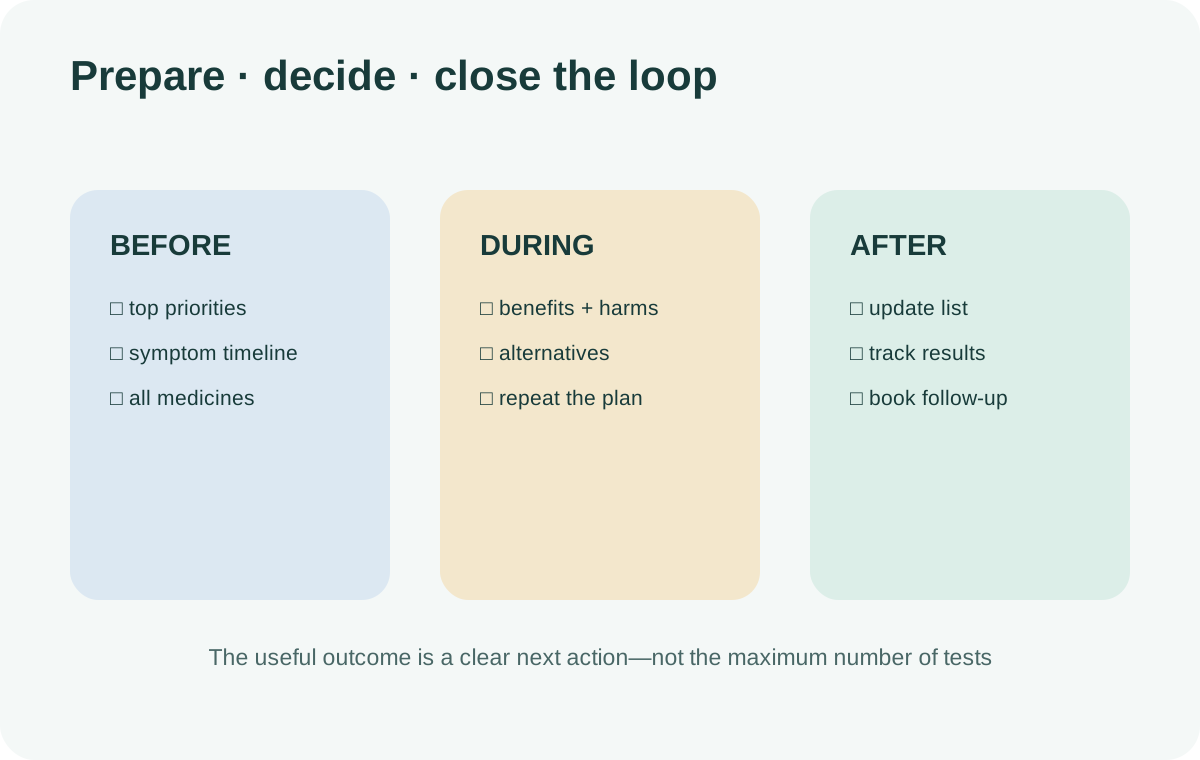
Lead with the top priorities rather than saving the most important concern for the final minute. Take notes or bring a trusted person if helpful. Repeat the plan back in your own words: medicine changes, tests, referrals, self-care and timing.
If time runs out, ask for a follow-up appointment instead of compressing a complex new problem into seconds.
After: close the loop
Update the medicine list, schedule follow-up and record outstanding results. Know which office to contact if a referral does not arrive. Read portal notes for discrepancies and ask for correction where needed.
A “normal” result does not automatically explain persistent symptoms. Return if function worsens or the agreed review point arrives.
Do not wait for the annual date
Acute chest pain, stroke signs, severe breathlessness, suicidal crisis, significant bleeding or sudden neurological or visual change needs urgent care. Progressive unexplained weight loss, new lumps, persistent bleeding or major functional decline should be assessed promptly rather than held for a routine review.
Printable short list
- Top three priorities
- Symptom timeline
- All medicines and supplements
- Allergies and relevant history
- Home measurements
- Screening and vaccine questions
- Follow-up owner and date