Blood Pressure Numbers: A Plain-Language Guide
What systolic and diastolic readings mean, how to measure at home, why US and European thresholds differ and when a very high reading is urgent.
 Sofia LindbergLongevity & Prevention editor5 September 2026
Longevity & Prevention · Health literacy
A blood-pressure reading is two numbers taken under specific conditions. One value is a snapshot; diagnosis and treatment decisions usually rely on repeated, correctly measured readings plus overall cardiovascular and health context.
In short
- Systolic pressure is the top number; diastolic pressure is the bottom number.
- Use a validated automatic upper-arm device with the correct cuff size.
- US and European/UK guidelines use different category and diagnostic thresholds.
- A very high repeat reading with chest pain, breathlessness, weakness, vision or speech change is an emergency.
What the two numbers mean
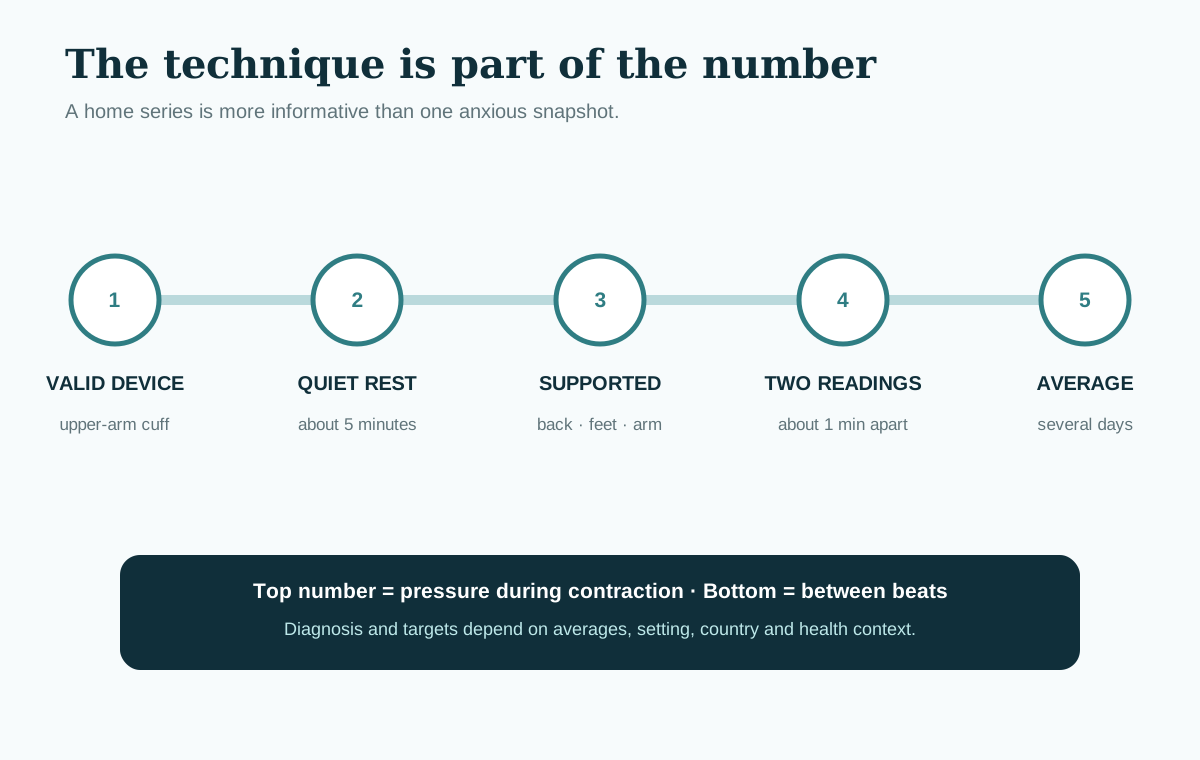
Blood pressure is reported in millimetres of mercury, or mm Hg. The systolic value is the pressure when the heart contracts and ejects blood. The diastolic value is the pressure between beats while the heart relaxes. Either number can influence interpretation.
Pressure varies from minute to minute with activity, posture, pain, stress, temperature, caffeine, nicotine, a full bladder and measurement technique. That variability is why one unexpected reading rarely establishes chronic hypertension.
Why online charts disagree
The 2025 US AHA/ACC guideline classifies normal as below 120/80, elevated as systolic 120–129 with diastolic below 80, stage 1 hypertension as 130–139 or 80–89, and stage 2 as 140 or higher or 90 or higher. These are US categories and treatment depends on average pressure and cardiovascular risk.
The 2024 European Society of Cardiology guideline keeps office hypertension defined at 140/90 or higher and calls 120–139 systolic or 70–89 diastolic “elevated blood pressure.” The UK NHS commonly considers 140/90 or higher in clinic, or 135/85 or higher at home, high. Different labels do not change the measurement; they reflect different guideline frameworks and settings.
How to measure at home
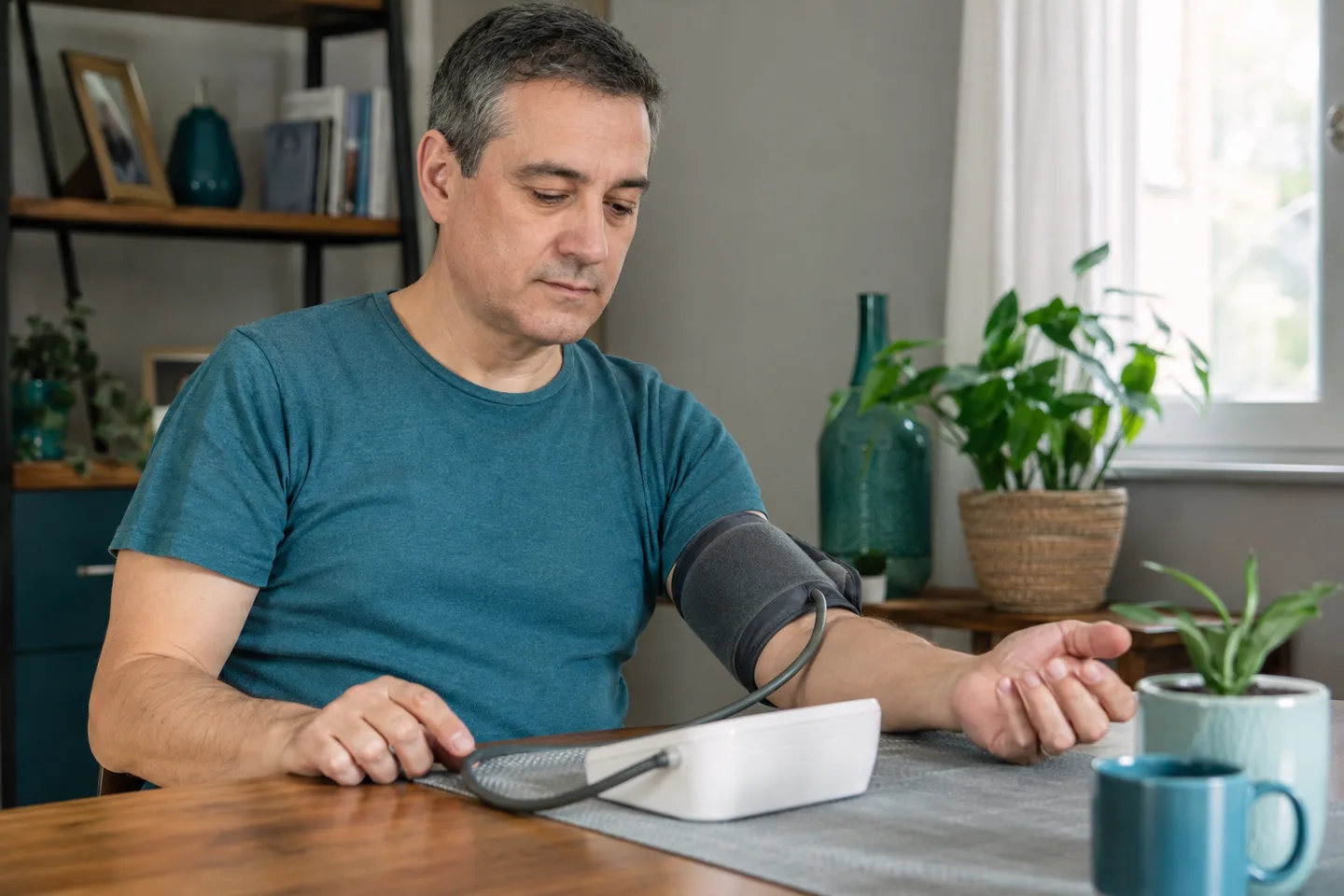
- Use a validated automatic upper-arm monitor and a cuff that fits the arm.
- Avoid exercise, smoking and caffeine for about 30 minutes when following standard monitoring instructions; empty the bladder.
- Sit quietly for about five minutes with back supported, feet flat and legs uncrossed.
- Place the cuff on bare skin and support the arm at heart level. Do not talk.
- Take two readings about one minute apart and record both.
- Measure morning and evening for the number of days your clinician recommends; interpretation usually uses an average.
Bring the monitor to an appointment so technique and accuracy can be checked. Cuffless watches are not yet recommended for clinical decisions unless their accuracy is appropriately validated.
What one reading can and cannot tell you
| Situation | Reasonable next step |
|---|---|
| Unexpectedly high, no concerning symptoms | Rest, repeat correctly and record; follow local clinical advice. |
| Repeated averages above your guideline threshold | Arrange clinical review; do not self-diagnose from one day. |
| Home normal, clinic high | Ask about white-coat effect and ambulatory or home confirmation. |
| Home high, clinic normal | Ask about masked hypertension and review technique/device. |
| Low number with dizziness or fainting | Seek assessment; symptoms and cause matter more than a universal cut-off. |
When it is urgent
If a reading is higher than 180 systolic or 120 diastolic, wait at least one minute and repeat it, unless emergency symptoms are already present. If it remains very high, contact a healthcare professional promptly according to local guidance. Do not take extra medication unless a clinician has given you a specific plan.
Call emergency services for a very high reading with chest pain, severe breathlessness, new weakness or numbness, confusion, vision change, difficulty speaking or other signs of acute organ damage. Pregnancy and the postpartum period need separate, lower thresholds and urgent obstetric guidance for headache, visual symptoms, upper abdominal pain or sudden swelling.
How treatment decisions are made
Clinicians consider the average pressure, age, cardiovascular history, diabetes, kidney disease, pregnancy, medicines, side effects and estimated risk. Lifestyle measures—movement, dietary pattern, sodium reduction where appropriate, weight management, less alcohol and stopping smoking—can help, but many people also need medication.
Do not stop prescribed blood-pressure medication because a home reading looks normal; that may mean treatment is working. Share the record and decisions with the prescribing team.