Burnout Language: What It Captures and What It Can Miss
Burnout names an occupational pattern but can overlap with treatable conditions and should not hide unsafe work design.
 Daniel OkaforStress & Emotional Health editor5 September 2026
Stress & Emotional Health · Health literacy
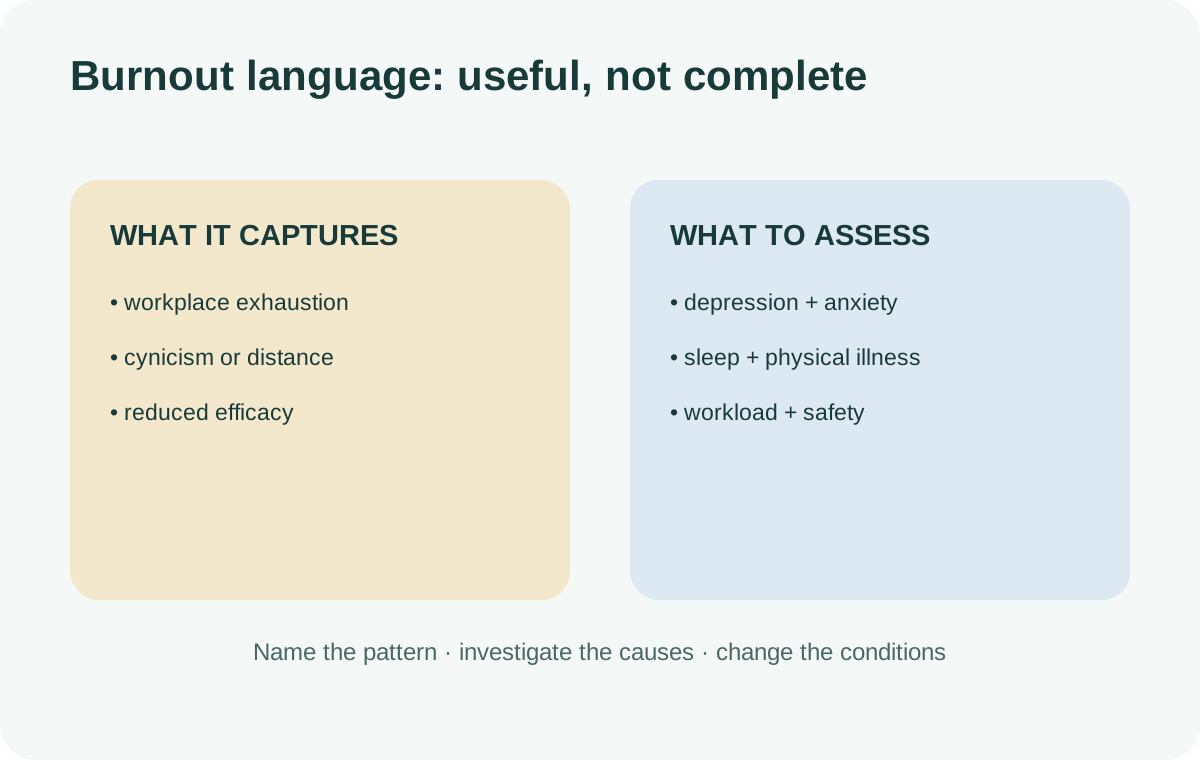
“Burnout” names a recognisable pattern of workplace exhaustion, distance and reduced efficacy. It can validate experience, but it can also hide depression, illness or unsafe work.

In short
- WHO classifies burnout as an occupational phenomenon, not a medical condition.
- Its three dimensions are exhaustion, mental distance or cynicism, and reduced professional efficacy.
- Symptoms overlap with depression, anxiety, sleep disorders and physical illness.
- Work design must be part of prevention and response.
What the formal definition captures
WHO describes burnout as resulting from chronic workplace stress that has not been successfully managed. The definition is specifically occupational. It gives people and organisations a shared language for a pattern that is more than simply having a busy day.
The three dimensions prevent exhaustion from carrying the whole concept. A worker may feel depleted, increasingly detached from the job and less effective. Not everyone experiences all dimensions equally.
What the word can miss
Fatigue, poor concentration, withdrawal and reduced performance can also occur with depression, anxiety, insomnia, anaemia, thyroid disease, infection, chronic pain, menopause, substance use or medication effects. Burnout language can feel less stigmatising, but that should not delay assessment.
It can also blur non-work overload: unpaid care, discrimination, financial insecurity or unsafe relationships. Those experiences are real even though the ICD-11 burnout definition is occupational.
Not a personal resilience score
Time pressure, low control, long hours, inadequate staffing, moral injury and poor support are recognised psychosocial risks. If several people in one team are affected, individual weakness is an implausible complete explanation.
Wellness sessions cannot compensate for impossible workload. Organisational responses include reprioritisation, staffing, schedule change, role clarity, psychological safety and fair procedures.
Questions that clarify the picture
- When did the change begin, and is it limited to work?
- What tasks, hours or conflicts maintain it?
- Can rest restore energy, even briefly?
- Has sleep, appetite, mood or substance use changed?
- Is safety, self-care or daily functioning affected?
These questions are not a self-diagnostic test. They help decide which support is needed.
What recovery may require
Immediate steps can include sick leave, workload reduction, protected breaks, a handover and medical or psychological assessment. Longer-term recovery may require redesigning the role, addressing conflict or changing employment. The correct intervention depends on the cause and degree of impairment.
Rest matters, but returning to unchanged conditions can restart the cycle. A return-to-work plan should name workload, hours, responsibilities and review points.
How managers should respond
Listen without demanding proof in the first conversation. Ask about immediate safety and what work factors can change. Protect confidentiality, document agreed actions and follow up. Do not require the employee to design the entire organisational solution while depleted.
Survey scores can identify patterns but should not replace conversation or become performance measures.
When to seek clinical help
Get professional assessment for persistent low mood, loss of interest across life, panic, severe sleep disruption, cognitive change, significant physical symptoms or inability to function. Urgent help is needed for thoughts of self-harm, inability to stay safe, chest pain or acute neurological symptoms.
A clinician can consider overlapping mental and physical conditions while still taking workplace harm seriously.
Use precise language
Instead of “I am burned out,” try adding observations: “For three months I have slept poorly, dread work, make errors after long shifts and have no recovery between calls.” Precision improves decisions without invalidating the shorthand.