Electrolytes: When They Help and When Water Is Enough
Water and ordinary meals cover most daily needs; prolonged heat, heavy sweat and gastrointestinal illness require more specific hydration decisions.
 Noah WilliamsNutrition & Metabolism editor5 September 2026
Nutrition & Metabolism · Health literacy
Electrolytes are essential minerals, not a universal upgrade to water. Most ordinary days are covered by food and drinking to thirst; long, hot or illness-related losses can change the calculation.

In short
- Electrolytes include sodium, potassium, chloride, calcium and magnesium.
- For short, easy activity and normal daily life, water plus regular meals is usually enough.
- Sodium-containing drinks can be useful during prolonged or very sweaty exercise.
- Oral rehydration solution is a specific glucose-salt treatment for fluid loss from diarrhoea or vomiting, not the same as a sports drink.
What electrolytes actually do
Electrolytes are charged minerals dissolved in body fluids. They help conduct nerve signals, support muscle contraction, maintain fluid distribution and contribute to acid-base balance. The kidneys, hormones, thirst and ordinary eating work together to keep concentrations within a narrow range.
Sweat contains water and sodium, with smaller amounts of other minerals. How much a person loses varies widely with genetics, acclimatisation, heat, clothing, pace and body size. A salty crust on clothing suggests higher sodium loss, but it is not a laboratory measurement.
When water is usually enough
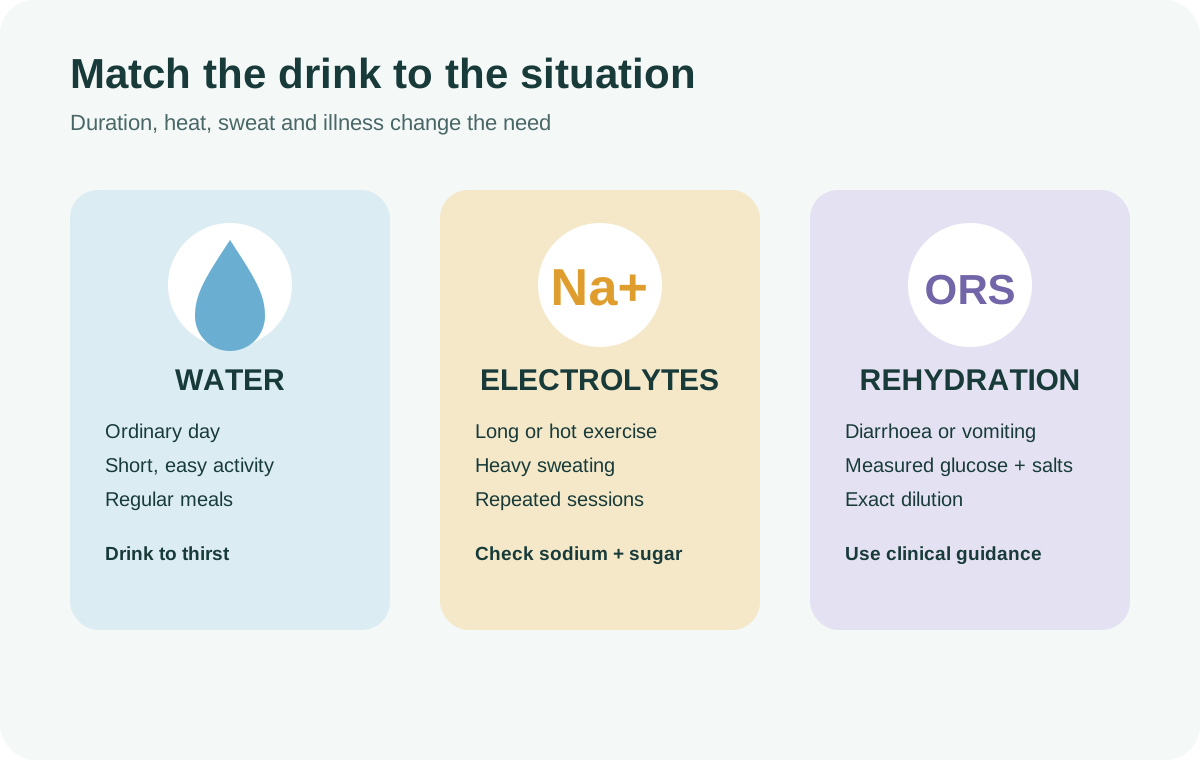
Water is a sensible default for a normal day, a gentle walk, a short gym session or other activity lasting roughly under an hour in comfortable conditions. Regular meals supply sodium and other minerals. Exact time thresholds are not laws: a short session in extreme heat can be demanding, while a longer easy session in cool weather may not be.
Drink according to thirst and conditions rather than forcing large volumes. Overdrinking plain water can dilute blood sodium, a potentially dangerous condition called exercise-associated hyponatraemia. More fluid is not automatically better.
When an electrolyte drink may help
Consider a sodium-containing drink when activity is prolonged, heat and humidity are high, sweat losses are substantial, or repeated sessions leave little recovery time. It may also be convenient when appetite is low and food is delayed. Carbohydrate in a sports drink can provide fuel during longer efforts; that is a separate benefit from electrolyte replacement.
There is no single ideal product. Compare the sodium and carbohydrate per serving, the serving size and how much you will actually drink. Very concentrated drinks can upset the stomach. For most recreational sessions, expensive blends with many trace minerals have no demonstrated advantage over a tolerable drink, water and food.
Illness is a different category
Diarrhoea and vomiting can cause meaningful losses of water and electrolytes. World Health Organization oral rehydration solution combines clean water, glucose and salts in proportions designed to support intestinal absorption. A sports drink is not a direct substitute: its sugar and sodium concentrations may differ.
Use a correctly prepared commercial ORS where advised, follow the packet volume exactly and seek clinical guidance for infants, frail adults or people with chronic disease. Urgent assessment is needed for confusion, fainting, very little urine, blood in stool, inability to keep fluids down, severe weakness or signs of shock.
Read the label in thirty seconds
- Check the stated serving volume.
- Find sodium per serving, not only the word “electrolytes”.
- Check carbohydrate or added sugar if performance fuel or diabetes management matters.
- Notice caffeine and other stimulants.
- Confirm how powder or tablets must be diluted.
Effervescent tablets can vary from lightly flavoured water to substantial sodium replacement. “Sugar-free” says nothing about sodium dose, and “natural” says nothing about suitability.
Who should be cautious
People with kidney disease, heart failure, uncontrolled high blood pressure, fluid restrictions or medicines that affect sodium or potassium should ask a clinician before routinely using high-electrolyte products. Symptoms such as cramps, fatigue or headache are nonspecific and should not be self-diagnosed as an electrolyte deficiency.
Salt capsules deserve particular care because they deliver a concentrated dose and do not ensure adequate water intake. They are not a general remedy for cramp.
A practical hydration check
Begin normally hydrated, carry enough fluid for the setting and notice thirst, heat and pace. After unusually long sessions, a change in body mass can estimate total fluid loss, but do not chase exact replacement immediately. Include a normal meal or snack. Repeated large weight losses, persistent dizziness or performance decline justify individual advice.
Sources and further reading
- World Health Organization: diarrhoeal disease and oral rehydration
- McDermott et al. (2017): NATA position statement on fluid replacement
- American College of Sports Medicine (2007): Position stand on exercise and fluid replacement
- Hew-Butler et al. (2015): Exercise-associated hyponatraemia consensus statement