Glycaemic Index in Real Life: Context Portions and Mixed Meals
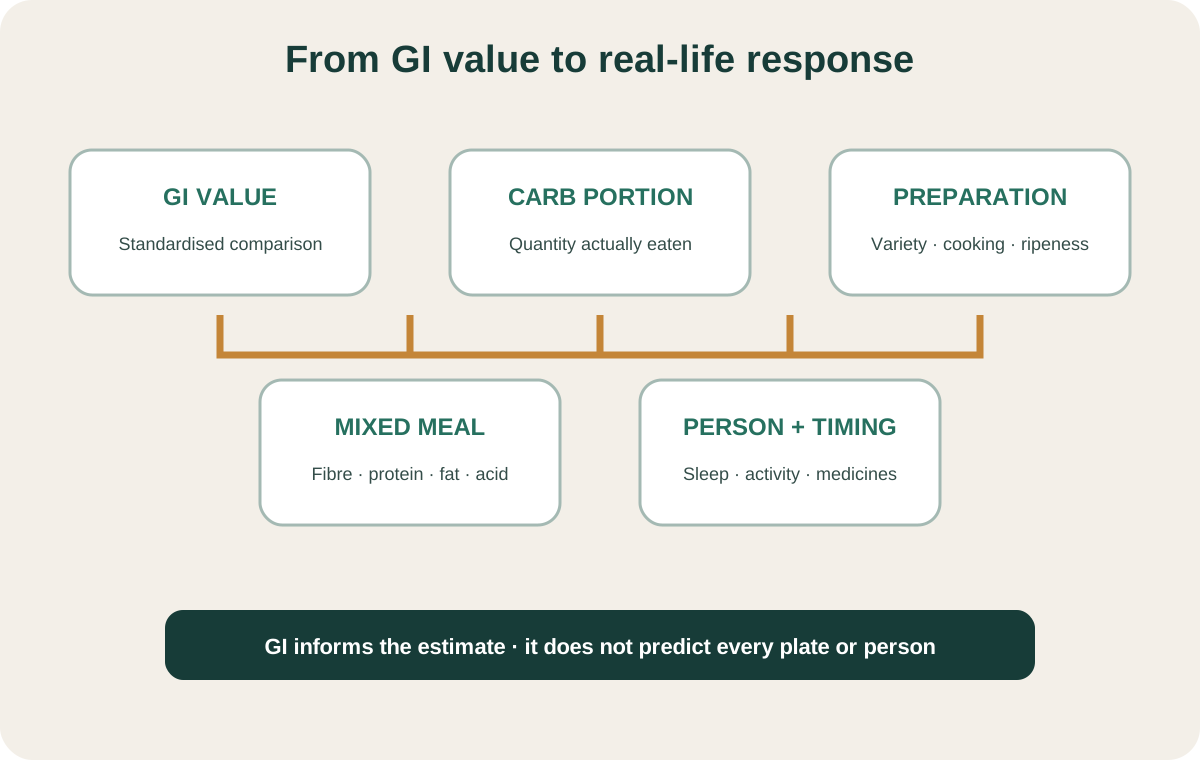
GI compares equal-carbohydrate portions; real meals add portion size, preparation, other foods and individual response.
 Noah WilliamsNutrition & Metabolism editor5 September 2026
Nutrition & Metabolism · Explainer
Glycaemic index compares equal-carbohydrate portions under standard conditions. Real meals add portion size, preparation, fibre, other foods and individual response.

In short
- GI ranks carbohydrate quality using a standard amount of available carbohydrate.
- Glycaemic load combines GI with the carbohydrate amount in a serving.
- Ripeness, processing, cooking, cooling and mixed meals can change response.
- Use GI as one comparison tool—not a moral score for foods.
What the index measures
Glycaemic index compares the rise in blood glucose after a food containing a standard amount of available carbohydrate with a reference food. Values are commonly grouped as low, medium or high. Because the test equalises carbohydrate rather than ordinary serving weight, the portion used may look unlike what someone eats.
A food can have a high GI but contain little carbohydrate in a usual portion. Glycaemic load addresses this by multiplying GI by the grams of available carbohydrate in the serving and dividing by 100.
Why preparation matters
Grinding and intensive processing can make starch more accessible. Cooking changes starch structure; cooling and reheating may alter resistant starch. Ripeness changes sugars and starches in some fruit. Different varieties of rice, bread or potato can therefore have different values.
International tables contain thousands of measurements and show wide variation within categories, especially cereals, breads and rice. A number copied from a different product is an estimate, not a laboratory result for yours.
Mixed meals are different
Protein, fat, fibre, acidity and food structure can slow gastric emptying or alter absorption. Yet “add fat to blunt the spike” is not a complete health strategy: extra energy and saturated fat still matter. The goal is a balanced meal, not manipulating one curve at any cost.
Studies show that GI and carbohydrate amount can predict much of the average glucose response to mixed meals, while other experiments find meaningful differences between calculated and observed values. Both points can be true: the framework is informative but imperfect.
Individual response varies
Sleep, prior activity, time of day, stress, medications, insulin sensitivity and the previous meal influence glucose. People with diabetes may have very different responses from healthy volunteers used in some GI tests. A continuous glucose monitor adds personal data but also measurement lag and noise; one spike is not a diagnosis.
If you use insulin or medicines that can cause hypoglycaemia, changes in carbohydrate intake should be coordinated with your care team.
How to apply GI without overthinking
- Start with an appropriate carbohydrate portion.
- Choose less refined, fibre-rich options you enjoy and tolerate.
- Add vegetables, protein and healthy fat as part of the meal.
- Compare like with like: one bread with another, not carrots with cake.
- Observe energy, hunger, digestion and clinical targets over time.
Beans, lentils, many intact grains, pasta and fruits often fall lower on GI tables, but nutrient density, affordability and culture still matter. A higher-GI food can be useful during endurance exercise or when rapid carbohydrate is medically needed.
GI does not label a food “healthy”
Some nutrient-poor foods have a modest GI because fat slows absorption. Some nourishing foods have a higher value. GI says nothing directly about protein, vitamins, sodium, environmental impact or eating pattern. It also should not become a reason to fear all carbohydrate.
For diabetes management
Total carbohydrate remains important, and GI or GL may provide additional guidance for some people. Work with a qualified clinician or dietitian to match meals to medication, activity and glucose goals. Persistent thirst, frequent urination, unexplained weight loss or very high readings need clinical attention.