Hydration Without the Hype: A Practical Daily Guide
Hydration needs change with food, weather, activity, illness and health conditions. Use body cues and context without forcing a universal bottle target—or ignoring overhydration risk.
 Noah WilliamsNutrition & Metabolism editor5 September 2026
Nutrition & Metabolism · Practical guide
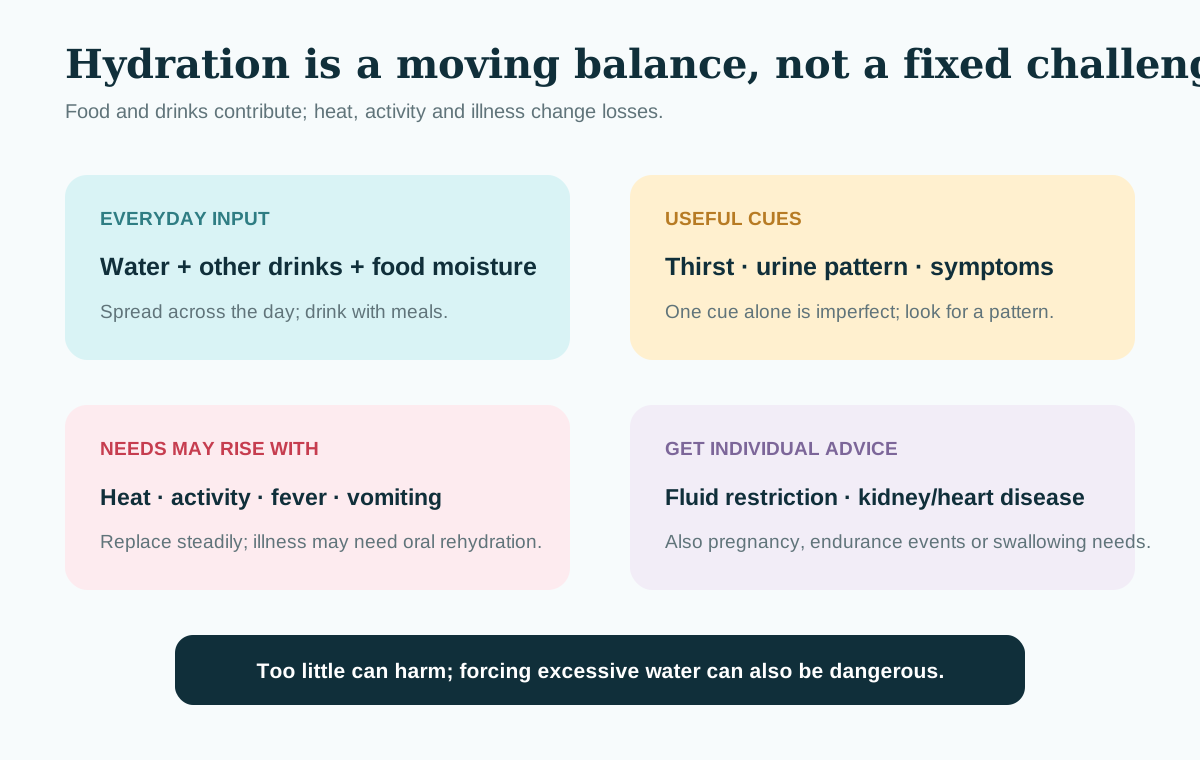
Hydration is a balance between fluid coming in and fluid leaving through urine, sweat, breathing and the gut. Needs change with body size, food, weather, activity, illness, pregnancy and health conditions—so one bottle target cannot fit everyone.

In short
- Reference intakes describe population averages, not a mandatory amount of plain water.
- Thirst, urine pattern, weather, activity and symptoms together are more useful than one rule.
- Electrolyte products are usually unnecessary for ordinary daily hydration.
- Both dehydration and excessive forced drinking can be dangerous.
What reference numbers actually mean
European Food Safety Authority adequate intakes for total water are about 2.0 litres per day for adult women and 2.5 litres for adult men under moderate conditions. “Total” includes water from all beverages and food. These are reference values derived for populations, not a diagnosis of what one individual must drink.
A person eating soup, fruit, vegetables and yoghurt may obtain more water from food than someone eating mostly dry foods. Pregnancy, breastfeeding, heat, altitude, fever, vomiting, diarrhoea and physical activity can raise needs. Heart, kidney or liver disease and some medicines can require a prescribed fluid limit instead.
A low-friction daily method
- Make fluid available. Keep a glass or bottle within reach and drink with meals.
- Respond to thirst. Thirst is useful for most healthy adults during ordinary days, though it may be blunted in some older adults or during intense activity.
- Notice the pattern. Persistently dark strong-smelling urine, reduced urination, dry mouth, headache or light-headedness can point toward dehydration. Urine can also change with foods, vitamins and medicines.
- Adjust for losses. Drink more steadily during heat, fever, sweating, vomiting or diarrhoea rather than trying to “catch up” all at once.
Do tea and coffee count?
Water is the simplest option, but tea, coffee, milk and other drinks contribute fluid. Moderate caffeinated drinks do not automatically cancel their water content in regular users. Sugary drinks can add substantial energy, while alcohol can impair judgement and increase dehydration risk. The best everyday mix depends on health needs, sleep, dental health and preference.
When electrolytes help
For ordinary meals and light activity, food generally provides enough electrolytes and plain water is suitable. Oral rehydration solution has a different purpose: its specific glucose-and-salt balance supports absorption during significant diarrhoea or vomiting and may be recommended by a pharmacist or clinician. A sports drink is not automatically equivalent.
Long endurance exercise, very heavy sweating, extreme heat or repeated sessions may justify an individual hydration and sodium plan. Sweat rate varies widely. Planning should avoid both large deficits and drinking more than is being lost.
More water is not always better
Rapidly forcing large volumes can dilute blood sodium. Exercise-associated hyponatraemia is a recognised risk when intake exceeds losses during prolonged activity. Headache, nausea, confusion, swelling, vomiting or seizures during or after endurance exercise require urgent assessment; do not assume the person simply needs more water.
| Situation | Practical response |
|---|---|
| Ordinary day, healthy adult | Drink with meals and to thirst; include water-rich foods |
| Hot day or more activity | Increase access and drink steadily; monitor how you feel |
| Vomiting or diarrhoea | Small frequent sips; ask about oral rehydration solution |
| Fluid restriction or complex condition | Follow the individual clinical plan |
| Endurance event | Use a tested plan that avoids both deficit and weight gain from overdrinking |
When to get help
Seek prompt advice for dizziness on standing that does not settle, very little urine, rapid breathing or heartbeat, unusual drowsiness, or inability to keep fluids down. Confusion, difficulty waking, breathing difficulty or signs of shock need urgent care. Infants, young children, frail older adults and people dependent on others for drinks can deteriorate faster.