Insomnia: Practical Steps and When to Seek Help
Reduce the struggle on a difficult night, track a persistent pattern and know when to ask about CBT-I or another cause. A practical insomnia guide with clear safety limits.
 Elena MoralesSleep & Recovery editor5 September 2026
Sleep & Recovery · Practical guide
A difficult night is common. Insomnia is a repeating pattern in which sleep trouble and daytime effects persist despite a reasonable chance to sleep. The response should reduce struggle tonight and address the pattern if it continues.

In short
- Keep a steady wake time rather than compensating with an increasingly erratic schedule.
- If you are wide awake and frustrated, leave bed for a quiet dim-light activity and return when sleepy.
- For chronic insomnia, cognitive behavioural therapy for insomnia (CBT-I) is the recommended first-line treatment.
- Snoring with breathing pauses, restless legs, mood symptoms, pain, medicines and substance use may need separate assessment.
First, name the problem accurately
Sleep can be disrupted by stress, travel, illness, caring responsibilities, a noisy environment or a few late nights. Chronic insomnia is more than one poor night. Clinical definitions generally involve difficulty falling asleep, staying asleep or waking too early, with daytime impairment, at least three nights a week for about three months despite adequate opportunity for sleep.
Daytime effects can include fatigue, irritability, concentration problems and concern about the next night. Sleepiness—an involuntary tendency to doze—is different from feeling tired. Severe sleepiness while driving or operating machinery is an immediate safety issue.
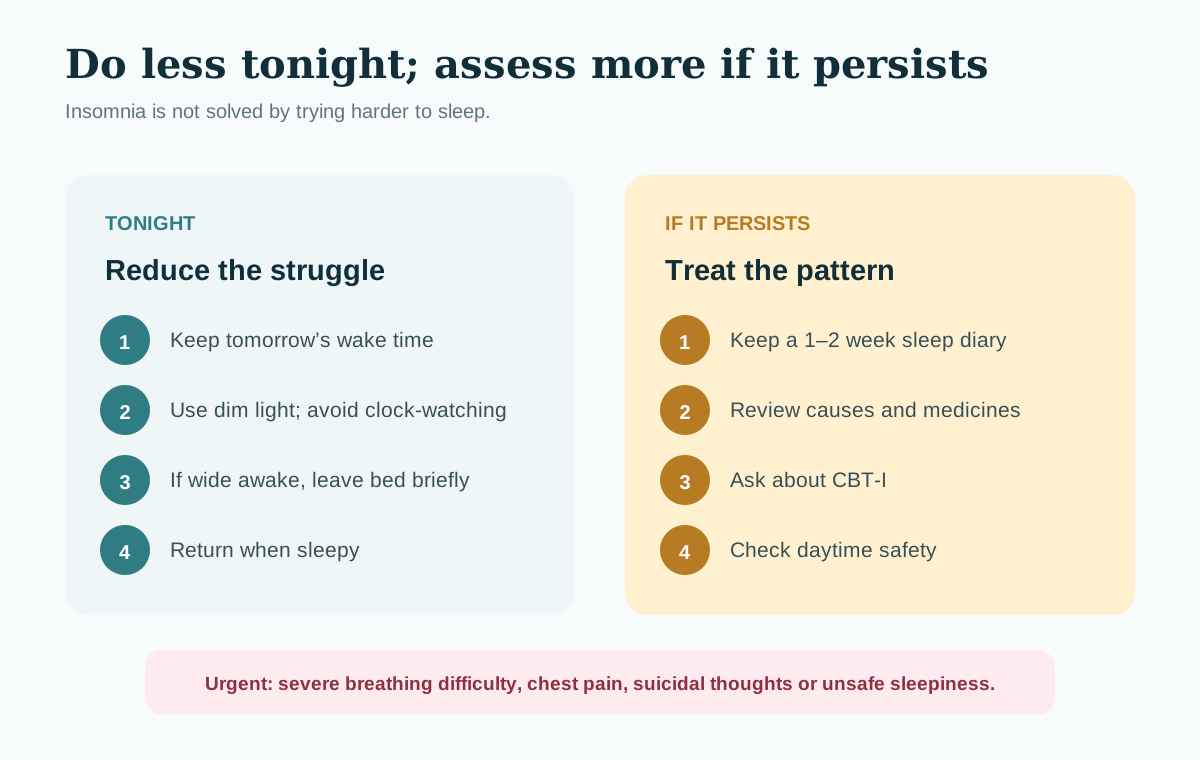
What to do tonight
- Stop monitoring the clock. Turn it away and reduce repeated calculations about hours remaining.
- Keep the light low. Choose something quiet and non-demanding rather than work, conflict or stimulating media.
- Leave bed if wakefulness becomes a struggle. Sit somewhere safe and comfortable, then return when sleepiness reappears. Use the feeling of being awake rather than timing an exact number of minutes.
- Keep tomorrow’s wake time reasonably stable. A late lie-in may reduce sleep pressure for the next night. If safety allows, return to the usual rhythm.
Relaxation can help some people, but it should not become a performance test. Gentle breathing, progressive muscle relaxation or an audio track is optional. If it increases frustration, choose a neutral activity instead.
Track the pattern, not every sensation
A simple sleep diary for one or two weeks can record bedtime, estimated sleep onset, awakenings, final wake time, naps, caffeine, alcohol and daytime sleepiness. Estimates are enough; consumer wearables cannot diagnose insomnia and may intensify monitoring anxiety. Bring the diary to a clinician if the problem persists.
Why “sleep hygiene” may not be enough
A cool dark room, suitable activity, daylight exposure and thoughtful caffeine or alcohol timing can support sleep. But education alone is not considered an adequate treatment for chronic insomnia. CBT-I combines several components: stimulus control, a carefully managed sleep window, cognitive work on sleep-related beliefs and worry, relaxation where useful, and relapse planning.
Sleep restriction therapy is better understood as sleep-window therapy. It initially limits time in bed to consolidate sleep and can temporarily increase daytime sleepiness. It should be adapted by a trained clinician when there is bipolar disorder, epilepsy, pregnancy, high falls risk, safety-critical work or dangerous daytime sleepiness. Do not improvise an extreme sleep schedule from social media.
Review possible contributors
| Clue | Worth discussing |
|---|---|
| Loud snoring, gasping, witnessed pauses, morning headache | Sleep apnoea assessment |
| Urge to move the legs, worse at rest and evening | Restless legs and iron status |
| Pain, reflux, hot flushes, cough or frequent urination | Underlying symptom management |
| New medicine, stimulant, nicotine, alcohol or cannabis pattern | Timing, dose and withdrawal effects |
| Depression, anxiety, trauma or unusually elevated mood | Integrated mental-health assessment |
When to seek help
Arrange routine care when sleep difficulty lasts for months, affects daily functioning, or self-care is not helping. Seek prompt help for rapidly worsening mood, hallucinations, several nights with very little sleep plus unusually high energy or risky behaviour, or sleepiness that makes driving unsafe. Breathing difficulty, chest pain or suicidal thoughts need urgent local care.
Sleeping tablets can have a place for selected people and time periods, but choice depends on age, other medicines, pregnancy, falls risk, breathing disorders and substance-use history. Discuss benefits, duration and stopping plans with a qualified prescriber.