Five Meditation Myths That Make Starting Harder
Meditation does not require an empty mind, perfect posture or instant calm. Five common myths replaced with brief, adjustable and safety-aware beginner instructions.
 Maya ChenMind & Brain editor5 September 2026
Mind & Brain · Debunk
Meditation is harder to begin when it is described as blank-minded, perfectly still and instantly calming. A more accurate starting point is brief, adjustable attention practice with permission to stop.

In short
- Meditation is a family of practices, not one correct state.
- Distraction is not failure; noticing and returning is part of the task.
- Calm is a possible effect, not a guaranteed sign of doing it right.
- Short practice can be useful, and adverse experiences deserve a real response.
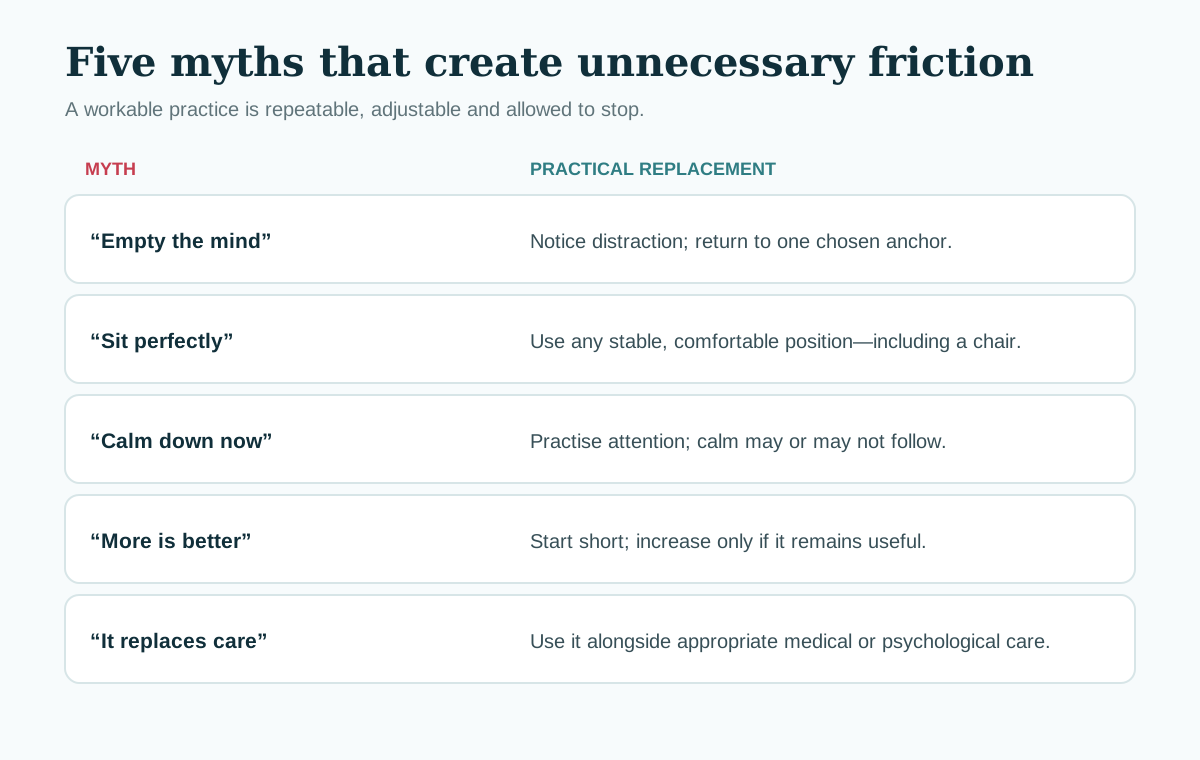
Myth 1: “You must empty your mind”
Thoughts, sensations and impulses continue. In focused-attention practice, the repeatable action is noticing that attention has wandered and returning to an anchor such as sound, feet or breath. A busy session can contain many repetitions of that skill. Open-monitoring and compassion practices have different instructions again.
Myth 2: “There is one correct posture”
Sitting cross-legged is optional. You can use a chair, stand, walk slowly or lie down if sleepiness and pain are considered. Posture should support alertness and comfort without demanding rigidity. Eyes can remain open, especially when closing them feels unsafe or disorienting.
Myth 3: “A good session makes you calm”
Meditation may reveal agitation that was already present. Mindfulness asks you to notice experience; it does not guarantee immediate relaxation. Judge a practice by whether it is tolerable and supports functioning over time, not by how serene you appear during two minutes.
Myth 4: “Longer and more intense is better”
Dose should match experience, health and context. Start with one to three minutes, then increase only if the practice remains useful. Intensive retreats are not simply a stronger version of a beginner exercise. A 2020 systematic review found meditation-related adverse events across study types, most commonly anxiety, depression and unusual cognitive experiences, with substantial variation in estimates.
Myth 5: “Meditation can replace treatment”
Mindfulness-based programmes may help with some stress, anxiety, depression or pain outcomes, but effects vary and study quality is uneven. Meditation should not postpone assessment, psychotherapy, medication or urgent care. A clinician or trauma-informed teacher can help adapt practice when there is panic, dissociation, psychosis risk, severe depression or trauma-related distress.
A two-minute start
- Choose a stable position and keep eyes open if preferred.
- Notice three things you can see and two sounds.
- Choose one anchor: feet, hands or ordinary breathing.
- When attention moves, name that gently and return once.
- At two minutes, stop and decide whether to repeat another day.
There is no prize for pushing through panic, flashbacks, dizziness or feeling unreal. Reorient to the room, move, contact someone safe and seek appropriate support if distress continues.
Consistency is optional too: missing a day does not erase anything. Begin again with the smallest version that still feels acceptable.