Omega-3 Foods Supplements and Evidence in Context
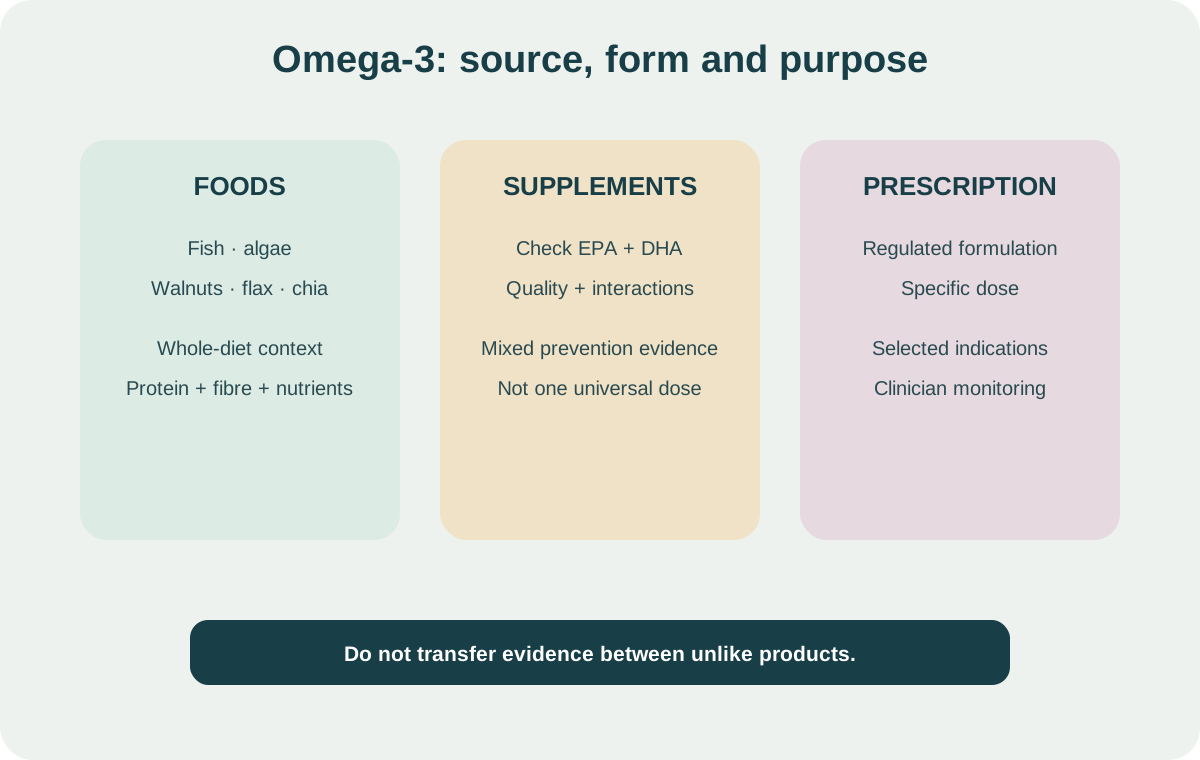
Omega-3 foods, ordinary supplements and prescription preparations differ in source, dose, evidence and clinical purpose.
 Noah WilliamsNutrition & Metabolism editor5 September 2026
Nutrition & Metabolism · Science guide
Omega-3 is a family of fats, not one product. Foods, ordinary supplements and prescription preparations differ in dose, composition, evidence and purpose.

In short
- ALA comes mainly from plants; EPA and DHA are concentrated in seafood and algae.
- Eating fish within a balanced diet has broader evidence than taking an over-the-counter capsule for everyone.
- Prescription omega-3 products can lower high triglycerides under clinical supervision.
- Check dose, EPA/DHA amounts, interactions, quality and the outcome being claimed.
Three names you need
Alpha-linolenic acid (ALA) is an essential fatty acid found in flax, chia, walnuts and some oils. The body can convert ALA to EPA and DHA, but conversion is limited and variable. EPA and DHA occur in fatty fish, seafood and algae-derived products.
Labels may advertise “1,000 mg fish oil” while providing a smaller combined amount of EPA and DHA. Compare the active fatty acids, not only the oil weight.
Food is more than a delivery capsule
Fish supplies protein, vitamins and minerals and often replaces another food. Nuts and seeds bring fibre and other unsaturated fats. Observational links between seafood and cardiovascular health may reflect all of these factors plus broader lifestyle differences.
Public-health advice commonly recommends seafood as part of a varied diet, while also considering mercury, sustainability, allergy and pregnancy guidance. Local species and advisories matter.
What supplements have—and have not—shown
Randomised trials of ordinary-dose EPA/DHA supplements for broad cardiovascular prevention have produced mixed results. Effects differ by baseline risk, dose, formulation and the outcome studied. A capsule should not be presented as a universal replacement for diet, smoking cessation, blood-pressure treatment or statins.
Some high-dose prescription formulations have reduced cardiovascular events in selected high-risk populations, while others have not. Those findings cannot be transferred to every fish-oil supplement on a shop shelf.
Triglycerides are a specific indication
EPA and DHA can lower triglyceride levels. Prescription products use regulated doses and purity and are managed alongside evaluation of diabetes, alcohol, thyroid disease, medicines and other causes. High triglycerides—especially very high levels—deserve clinician-led care because pancreatitis risk may matter.
Do not self-create a prescription dose from multiple capsules. The total oil, active ingredients, oxidation, cost and bleeding or rhythm concerns need review.
Questions before buying
- What exact outcome am I trying to change?
- Could food reasonably meet the goal?
- How many milligrams of EPA and DHA are in the daily dose?
- Is the product independently tested for identity and contaminants?
- Does it interact with anticoagulants or other treatment?
- Is the evidence for this formulation and this risk group?
Safety and tolerability
Common effects include unpleasant taste, reflux and gastrointestinal symptoms. High doses may increase bleeding time, and some trials have reported more atrial fibrillation in certain high-dose groups. Allergy and product source also matter.
People who are pregnant, have a bleeding disorder, take anticoagulants, have an arrhythmia history or are preparing for surgery should discuss supplementation. Supplements do not replace prescribed therapy.
A food-first weekly approach
Choose one or two omega-3-rich foods that fit your diet: oily fish, walnuts, ground flax or chia, or an algae source where appropriate. Add them to meals rather than stacking them on top of an already energy-dense pattern. Vary seafood species and follow local safety advice.
For vegetarian and vegan diets, ALA foods are valuable. Algal DHA/EPA may be considered for a defined need with professional guidance.
How to read a strong claim
“Supports brain and heart health” is not a defined clinical outcome. Ask whether the study measured symptoms, a blood marker or actual disease events; whether participants already had disease; and whether the product matches the trial. Association, biomarker change and fewer clinical events are different evidence levels.