Oral Health Is Whole-Body Health: The Practical Basics
Fluoride brushing, interdental cleaning, risk review and dental care protect comfort, function and health management.
 Sofia LindbergLongevity & Prevention editor5 September 2026
Longevity & Prevention · Science guide
The mouth is part of the body, not an isolated maintenance zone. Preventing decay and gum disease protects eating, speech, comfort and health management across adulthood.
In short
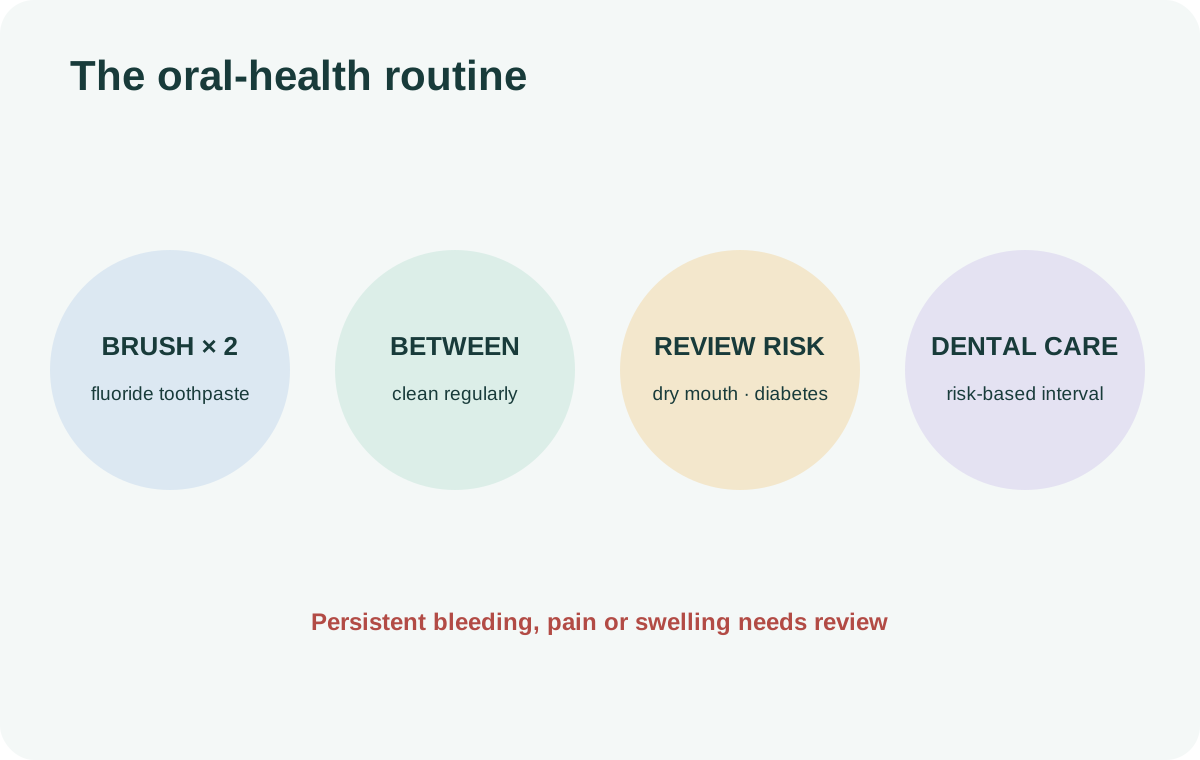
- Brush twice daily with fluoride toothpaste and clean between teeth regularly.
- Bleeding gums are common but not “normal”; persistent bleeding needs dental review.
- Diabetes, tobacco, dry mouth and some medicines change oral risk.
- Swelling with breathing or swallowing difficulty is urgent.
Why “whole-body” needs careful language
Oral disease directly affects pain, nutrition, communication, sleep and quality of life. Diabetes and periodontal disease have a two-way relationship: high blood glucose can worsen infection and healing, while treating gum disease may modestly support glycaemic control.
Associations also exist between periodontal disease and cardiovascular conditions, but association does not prove that brushing prevents heart attacks. Oral care is worthwhile on its own evidence without exaggerated promises.
Brush where plaque collects
Use fluoride toothpaste and a soft brush twice a day. Angle bristles toward the gumline and clean outer, inner and chewing surfaces with gentle pressure. An electric brush can help some people, but technique and consistency matter more than prestige.
Spit out excess toothpaste and follow local advice about rinsing. Replace a worn brush head. Aggressive scrubbing can damage gums and does not compensate for missed areas.
Clean between teeth
A toothbrush does not reach every contact. Floss, interdental brushes, picks or water flossers can help; the best tool depends on spacing, bridges, implants, dexterity and preference. A dental professional can size interdental brushes and demonstrate technique.
Ease floss through the contact rather than snapping it into the gum. Initial bleeding may improve as inflammation settles, but persistent bleeding, swelling or pain needs review.
Fluoride, sugar and frequency
Fluoride strengthens resistance to acid attack and supports remineralisation. Decay risk is influenced not only by total sugar but by how often teeth are exposed. Frequent sipping or grazing gives bacteria repeated opportunities to produce acid.
Keep sugary drinks and snacks to fewer occasions where practical, and choose water between them. People with dry mouth may need a tailored fluoride and saliva-management plan.
Dry mouth is a health issue
Saliva protects tissue, buffers acid and helps swallowing. Medicines, radiotherapy, autoimmune disease, dehydration and mouth breathing can reduce it. Dry mouth raises decay risk and can make dentures uncomfortable.
Do not stop medicines independently. Ask the prescriber and dentist about alternatives, frequent water, saliva substitutes, sugar-free gum if safe and higher-fluoride products where indicated.
Know the warning signs
Arrange dental assessment for persistent bleeding, receding gums, loose teeth, pain, swelling, bad taste, a bite change or a mouth ulcer lasting more than two weeks. Regular review can find disease before pain appears; interval depends on individual risk rather than one universal schedule.
Urgent care is needed for facial swelling with fever, spreading redness, difficulty opening the mouth, swallowing or breathing. Trauma that displaces a permanent tooth also needs prompt dental advice.
Share medical context
Tell the dental team about diabetes, heart conditions, pregnancy, immune suppression, osteoporosis medicines, anticoagulants and allergies. Bring an updated medicine list. Dental and medical teams may need to coordinate; do not stop anticoagulants or other prescriptions for treatment without instruction.
Tobacco in any form raises oral disease risk. Support to stop is part of oral prevention, not a lecture.
A two-minute systems check
- Is fluoride toothpaste visible and easy to reach?
- Is the interdental tool the right size and usable?
- Are bleeding, pain or dry mouth being ignored?
- Is the next dental review scheduled according to risk?
- Does the dental team have the current medicine and health list?