Preventive Appointments: Questions Worth Preparing
Prepare three priorities, a complete medicine list and questions about benefits, harms and follow-up.
 Sofia LindbergLongevity & Prevention editor5 September 2026
Longevity & Prevention · Checklist
A preventive visit works better when the clinician can see your priorities, medicines, family history and risk context—not just your birthday.

In short
- Choose your top three questions before the visit.
- Bring medicines, supplements, allergies, recent results and important family history.
- Ask about both benefits and harms of screening.
- Confirm the next step, owner and timing before you leave.
Before the appointment
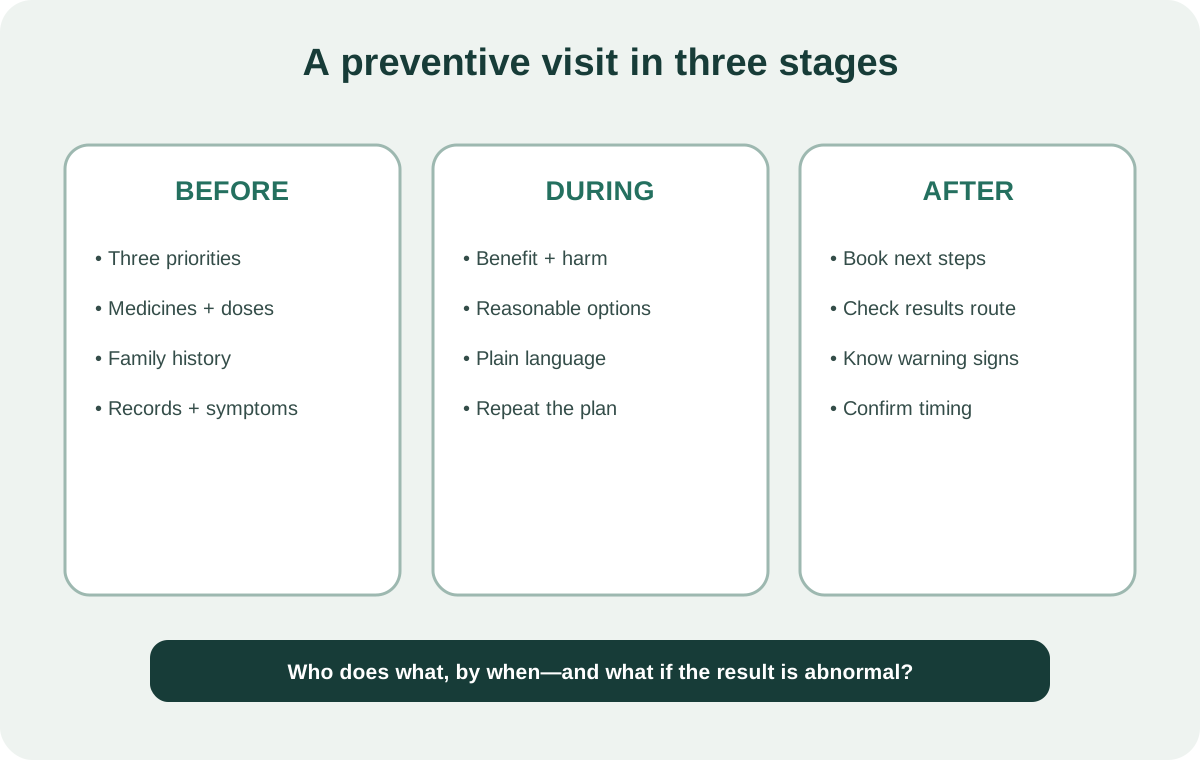
Write the main reason for the visit in one sentence. Add symptoms or changes you do not want to forget, with onset, pattern and effect on daily life. Make a current list of prescriptions, over-the-counter medicines, vitamins and herbal products, including dose and frequency. Note allergies and what reaction occurred.
Update family history that changes risk: early heart disease, stroke, cancer, diabetes, osteoporosis or inherited conditions. Bring vaccination records and results held in another system. Do not repeat a test simply because information failed to travel.
Questions about screening
- Which preventive services apply to someone with my age, anatomy, history and risk?
- What benefit does this test offer, and over what time?
- What are the chances of false positives, overdiagnosis or complications?
- What happens after an abnormal result?
- Would choosing not to test now be reasonable?
Recommendations differ by country and change with evidence. Some decisions are straightforward; others depend on personal values because average net benefit is small. Shared decision-making means understanding reasonable options, not obtaining every available test.
Questions about everyday prevention
Ask which one or two changes would most improve health in your context. Blood pressure, tobacco, alcohol, sleep, activity, food access, mood, sexual health, oral health and falls may matter more than a fashionable biomarker. Ask what support is available, not only what you “should” do.
If weight is discussed, request specific health goals and respectful care. If cost, transport, caregiving or work schedules affect the plan, say so. A theoretically ideal plan that cannot be followed is not a good plan.
Questions about medicines
For each medicine, ask what it is for, how benefit will be judged, common and serious adverse effects, interactions and what to do after a missed dose. Ask whether any medicine is no longer needed and whether monitoring is due. Never stop abruptly without guidance when withdrawal or rebound is possible.
During the visit
Lead with your priorities. Give the clinician room to identify urgent concerns. If terminology is unclear, ask for plain language. Repeat the plan back: “I will book the test, continue this medicine and return if the symptom persists for four weeks—is that right?”
Take notes or bring a trusted person if helpful and permitted. Ask how results will arrive and whom to contact if they do not. No news is not always confirmation that a result was normal.
After the visit
Check the written summary and medication list. Book referrals and tests, record dates and place return precautions where you can find them. If the plan is unaffordable or conflicts with another clinician’s advice, contact the practice rather than silently abandoning it.
Urgent is different from preventive
Chest pain, severe breathing difficulty, stroke signs, major bleeding, suicidal intent or another acute emergency should not wait for a routine appointment. Use the appropriate emergency service.