Protein Fibre and Fullness: Building a More Satisfying Meal
Protein and fibre can support fullness, but no nutrient guarantees it. Build a flexible meal with enough food, colourful plants, satisfying carbohydrates and flavour.
 Noah WilliamsNutrition & Metabolism editor5 September 2026
Nutrition & Metabolism · Practical guide
Protein and fibre can make a meal more satisfying, but fullness is not controlled by two nutrients alone. Build a meal with enough food, familiar flavours and a structure that fits the hours ahead.

In short
- Protein often increases short-term fullness in controlled meal studies, but long-term effects and individual responses vary.
- Different fibres behave differently; adding any isolated fibre does not guarantee lower appetite or food intake.
- A useful meal combines a protein source, fibre-rich plants or carbohydrates, enough energy and enjoyable flavour.
- Hunger is information, not a failure. Adjust the next meal rather than trying to suppress appetite at all costs.
Satiation and satiety are related, not identical
Satiation is the process that helps bring a meal to an end. Satiety describes the period after eating before hunger returns. Both are shaped by stomach volume, nutrient sensing, gut–brain signals, food texture, eating rate, expectations and the body’s current needs.
That is why the same lunch can feel adequate on a quiet day and insufficient after a long walk or a short night. A meal can also feel physically bulky yet fail to satisfy if it contains too little energy, protein or pleasure. The goal is not the longest possible suppression of hunger; it is a pattern that supports energy, comfort and regular eating.
What protein contributes
Protein provides amino acids used in muscle and many other tissues. In tightly controlled short-term studies, higher-protein meals or preloads often produce higher fullness ratings than lower-protein comparisons. Proposed mechanisms include gut hormones, digestion and the metabolic handling of amino acids.
The evidence is less decisive about what happens over months. Reviews include different protein amounts, foods and populations, and a stronger fullness rating does not automatically mean better health. More is not endlessly better. Requirements vary with body size, age, activity, pregnancy and illness, and kidney disease may require individual advice.
Everyday sources include beans, lentils, tofu, tempeh, eggs, dairy foods, fish, meat, nuts and seeds. A meal does not need a powder or an oversized portion to “count.” Combining foods across the day can meet needs in vegetarian and omnivorous patterns.
Fibre is a family, not one ingredient
Dietary fibres differ in solubility, viscosity, fermentability and particle structure. Some absorb water or form gels, some add bulk and some are fermented by gut microbes. Whole foods also package fibre with water, texture and other nutrients.
A systematic review of acute experiments found that most individual fibre treatments did not significantly reduce appetite or subsequent food intake, although several sources—including beta-glucan and rye—showed repeatable effects. Newer evidence on cereal fibres likewise suggests modest benefits for appetite sensations with limited effects on how much people later eat. “Contains fibre” is therefore useful nutritional information, not a promise of effortless appetite control.
Increase fibre gradually and drink according to thirst, especially if your usual intake is low. A sudden large increase can cause gas, bloating or discomfort. People with gastrointestinal disease, strictures or recent surgery may need tailored advice.
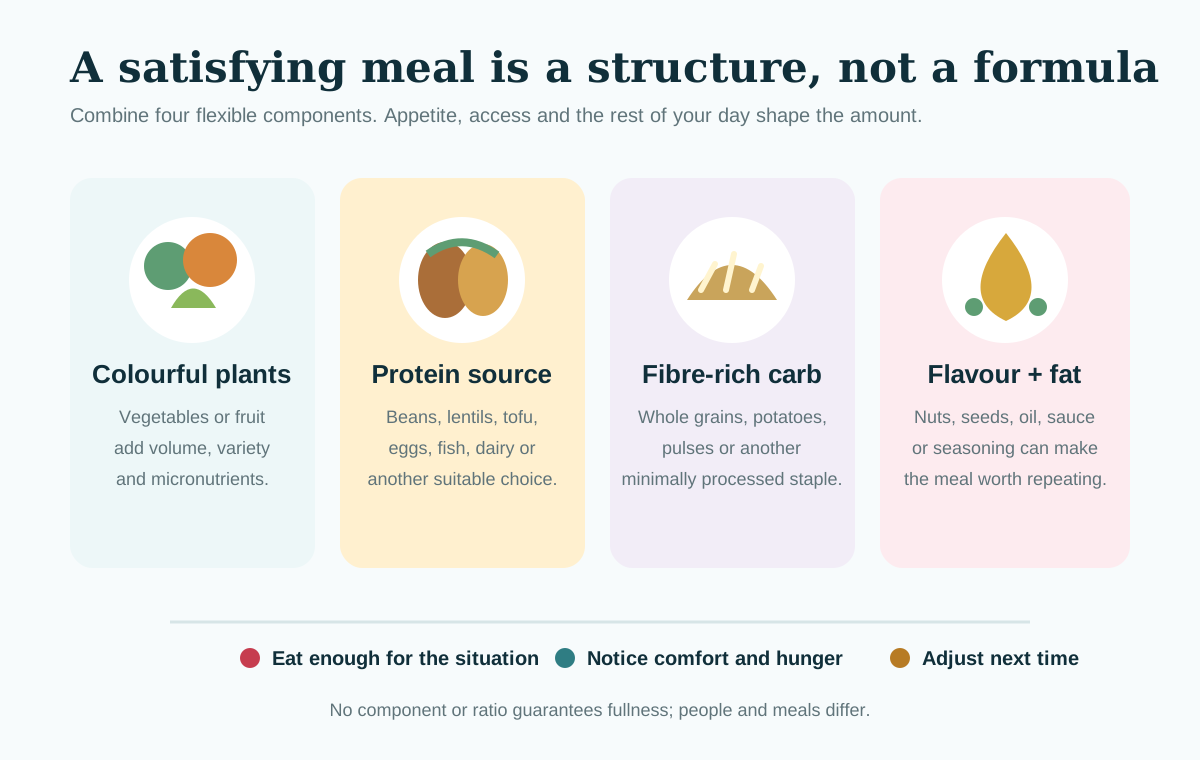
Four components that work across cuisines
| Component | Examples | What it adds |
|---|---|---|
| Protein source | Lentils, beans, tofu, eggs, yoghurt, fish, poultry | Protein, structure and often flavour |
| Fibre-rich carbohydrate | Oats, brown rice, wholegrain bread, potatoes, pulses | Energy, fibre and meal substance |
| Colourful plants | Vegetables, fruit, herbs, frozen or canned options | Variety, water, fibre and micronutrients |
| Fat and flavour | Olive oil, nuts, seeds, avocado, sauce, spices | Palatability, energy and fat-soluble nutrients |
Some foods occupy more than one column: pulses provide protein and fibre-rich carbohydrate; nuts provide protein and fat; yoghurt can provide protein and become a sauce. The framework is a prompt, not a plating rule.
Three practical meal upgrades
A breakfast that fades too quickly
Add yoghurt or soy yoghurt and nuts to oats and fruit; add eggs and beans beside toast; or blend silken tofu into a fruit-and-oat smoothie. The aim is to add substance, not to remove carbohydrate.
A salad that feels like a side
Add lentils, chickpeas, fish, eggs or tofu; include bread, grains or potatoes; and use enough dressing to make it enjoyable. A very large bowl of leaves can still be an under-fuelled meal.
A convenience meal with little staying power
Add frozen vegetables and beans to soup or noodles, pair a ready meal with fruit and yoghurt, or choose a sandwich with a recognisable protein filling and wholegrain bread. Convenience and nutritional adequacy can coexist.
Run a personal experiment, not a food trial
- Choose one meal that regularly leaves you hungry earlier than you want.
- Keep its familiar base and add one missing component.
- Notice immediate comfort and when clear hunger returns; do not aim for numbness.
- Repeat on several comparable days before drawing a conclusion.
- If hunger remains high, increase the meal’s overall amount rather than endlessly adding fibre.
When generic fullness advice is not enough
Unexplained loss of appetite, early fullness after a few bites, swallowing difficulty, persistent abdominal symptoms, unintended weight change or a highly restricted relationship with food deserves professional assessment. Athletes, older adults, pregnant people and anyone managing diabetes, kidney disease or gastrointestinal conditions may need advice that prioritises more than satiety.
Sources and further reading
- World Health Organization: Healthy diet
- Dhillon et al. (2016): Protein intake and fullness—meta-analysis and limitations
- Kohanmoo et al. (2020): Protein, appetite and gut hormones—systematic review
- Clark and Slavin (2013): Fibre, satiety and food intake—systematic review
- Machalias et al. (2026): Cereal fibres and satiety—systematic review