What Makes a Recovery Day Actually Restorative
A restorative recovery day matches fatigue with complete rest or genuinely easy movement, supported by sleep, food and reduced load.
 Priya ShahMovement & Mobility editor5 September 2026
Movement & Mobility · Practical guide
A recovery day is not a punishment for training hard. It is where fatigue can fall, tissue can adapt and motivation can return. The right dose may be complete rest or gentle movement.

In short
- Choose recovery according to fatigue, soreness, sleep and the next training demand.
- Low-intensity movement can feel good, but evidence for improving performance is limited.
- Food, fluids, sleep and reduced load matter more than elaborate gadgets.
- Pain, illness and persistent performance decline require more than a routine rest day.
What you are recovering from
Training creates several kinds of load: depleted fuel, muscle damage, connective-tissue stress, heat, nervous-system fatigue and psychological effort. They do not all recover on the same clock. A long race, unfamiliar strength session and stressful travel week call for different responses.
Delayed-onset muscle soreness often peaks after unfamiliar or eccentric exercise. Soreness is not a direct meter of progress or damage, and its absence does not mean recovery is complete. Use several signals together.
Active recovery or complete rest?
Active recovery means very light activity below training intensity: an easy walk, gentle cycle, relaxed swim or comfortable mobility. It can support mood and reduce the feeling of stiffness. Reviews find weak and inconsistent evidence that it restores later athletic performance, so it should not be treated as mandatory.
Choose complete rest when you are ill, unusually exhausted, significantly sleep-deprived or unable to keep an activity genuinely easy. Rest can still include daily living and brief comfortable movement.
Use the conversation test
During active recovery, breathing should remain easy enough for full sentences. Avoid chasing pace, calories, heart-rate zones or personal records. Ten to thirty minutes is often plenty. If the session raises soreness, drains energy or becomes competitive, stop or shorten it.
Mobility work can explore comfortable ranges, but aggressive stretching has not been shown to meaningfully speed strength recovery or prevent soreness. Do not force a tender muscle because stretching “should” help.
Recovery foundations
Sleep: protect adequate time and a consistent schedule. One recovery gadget cannot offset chronic sleep loss. Food: eat enough total energy, include protein across the day and replenish carbohydrate according to training demand. Fluids: drink to replace losses, using thirst, urine and known sweat demands as guides rather than forcing excessive water.
Downshift: reduce optional cognitive and logistical load. A rest day packed with errands may not feel restorative. Connection: low-pressure time with supportive people can help psychological recovery.
A simple recovery-day menu
- Check morning energy, soreness, mood and any sharp pain.
- Eat a normal breakfast and hydrate.
- Choose complete rest or one short easy movement block.
- Prepare food and equipment for the next session without turning preparation into work.
- Spend time away from performance metrics.
- Keep the evening quiet enough to protect sleep.
What about massage, cold and compression?
Some recovery techniques can reduce perceived soreness. Massage and cold-water immersion show benefits in some reviews, but effects vary and changes in soreness do not always equal restored performance. Cold exposure can be uncomfortable and is not appropriate for everyone.
Use optional methods because they feel helpful and fit the training goal—not because a marketing claim says they flush toxins or erase muscle damage. Frequent cold immersion immediately after strength training may also be undesirable when adaptation is the priority.
Green, amber and red signals
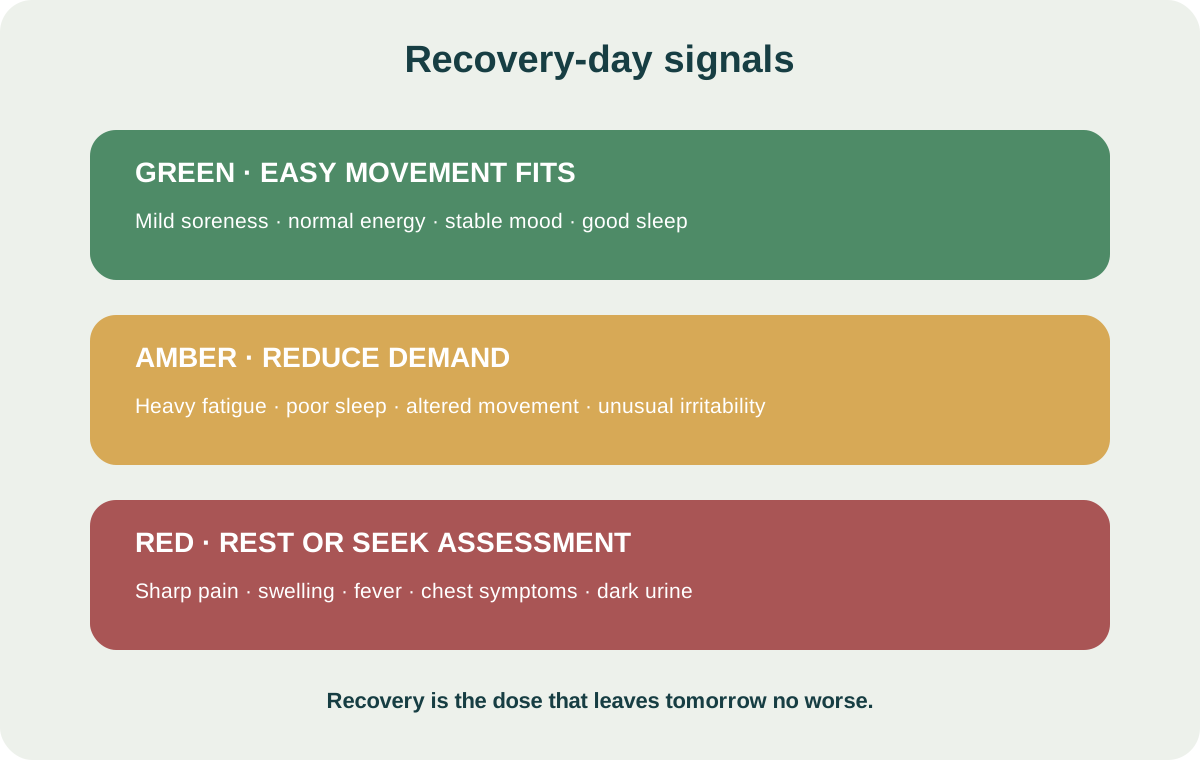
Green: mild symmetrical soreness, normal energy, stable mood and good sleep. Easy movement is reasonable. Amber: heavy fatigue, poor sleep, unusual irritability, rising resting heart rate or soreness altering movement. Reduce load and reassess.
Red: sharp focal pain, swelling, inability to bear weight, chest symptoms, fainting, dark urine after extreme exertion, fever or rapidly worsening weakness. Stop training and seek appropriate care.
The next-day test
A restorative day should make tomorrow’s ordinary function or planned training no worse. If every recovery day becomes another workout, schedule boundaries in advance. If repeated rest does not restore performance, examine training load, nutrition, sleep, illness and life stress with a qualified professional.