Relaxation Techniques Compared: What Each Method Asks of You
Slow breathing, muscle relaxation, imagery and mindfulness direct attention in different ways. Compare what each method asks of you, how to adapt it and when to stop.
 Daniel OkaforStress & Emotional Health editor5 September 2026
Stress & Emotional Health · Comparison
Relaxation methods are not interchangeable. Slow breathing changes respiratory rhythm, muscle relaxation alternates tension and release, imagery builds an internal scene, and mindfulness changes how attention meets experience.
In short
- Several brief techniques can increase a person’s immediate sense of relaxation.
- Head-to-head trials are small and do not establish one universal winner.
- Each method directs attention differently and can be adapted, shortened or stopped.
- Relaxation can support care but should not delay assessment of persistent or severe symptoms.
Four routes toward a similar state
Relaxation is not simply “doing nothing.” It can involve regulating breathing, changing muscle tone, using imagery or observing present experience. The intended state may include less physical tension, slower breathing and a reduced sense of threat, but people do not all arrive there through the same instruction.
Slow breathing
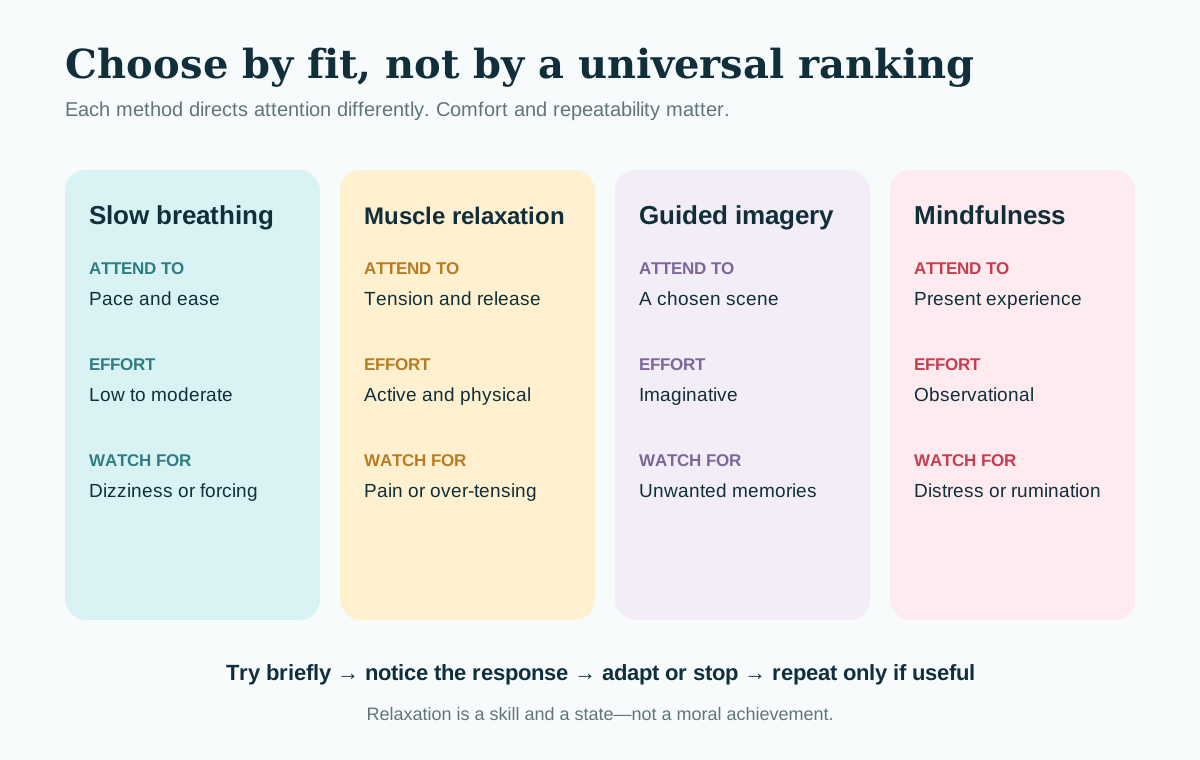
Breathing practices use pace, depth or a longer exhale as an attentional and physiological cue. They are portable and brief. The main error is overbreathing: repeated large breaths can lower carbon dioxide and cause dizziness, tingling or more anxiety. Keep the breath gentle and return to normal if symptoms appear.
Progressive muscle relaxation
PMR deliberately tenses and releases muscle groups in sequence. The contrast can make unnoticed tension easier to recognise and gives attention a concrete physical job. Use mild contractions rather than maximum effort, and skip painful, injured or cramping areas.
Guided imagery
Imagery builds a detailed place or situation associated with safety or ease. Sound, texture, temperature and smell may make the scene more absorbing. Not everyone visualises clearly, and an apparently peaceful scene can evoke unwanted memories. Describing a familiar room or imagining a neutral process can be an alternative.
Mindfulness
Mindfulness practice notices sensations, thoughts or sounds while repeatedly returning attention without trying to erase experience. It may help change reactivity to repetitive thoughts, but it is not synonymous with immediate calm. Some people initially notice more discomfort; shorter externally anchored practice or professional guidance may fit better.
What comparison studies show
In a randomised study of 60 healthy undergraduates, 20 minutes of PMR, deep breathing or guided imagery all increased relaxation compared with a control, with different physiological time courses. Another small community trial found no clear superiority of a five-week mindfulness course over PMR. These studies support having credible options, not ranking every method.
| If you prefer… | Start with… | Adaptation |
|---|---|---|
| A physical sequence | PMR | Use only hands, shoulders and face |
| A short portable cue | Gentle slow breathing | Count less or do not count |
| A narrative focus | Guided imagery | Use a familiar neutral place |
| Observing thoughts | Mindfulness | Anchor to sound or feet instead of breath |
A seven-day trial
- Choose two methods that feel acceptable.
- Practise each for three to five minutes on comparable days.
- Record ease, tension and whether you would willingly repeat it.
- Keep the better fit for a week before adding complexity.
If practice brings panic, flashbacks or persistent distress, stop and seek appropriate support. Urgent physical or mental-health symptoms need care, not a relaxation experiment.