Walking Intervals: A Simple Way to Vary Intensity
Alternating easy and brisk walking provides a simple adjustable cardiorespiratory stimulus without requiring all-out effort.
 Priya ShahMovement & Mobility editor5 September 2026
Movement & Mobility · Practical guide
Walking intervals alternate easier and brisker periods. They add variety and a clear progression without turning every walk into an all-out workout.

In short
- Intervals are simply planned changes in pace or terrain.
- Use the talk test or perceived effort; exact speed is optional.
- Begin with short brisk periods and generous easy recovery.
- Pain, chest pressure, faintness or unusual breathlessness are stop signals.
Why vary the pace?
A steady walk is excellent movement. Intervals are an option when you want a stronger cardiorespiratory stimulus, more variety or a way to progress without extending the route. Research comparing interval and continuous aerobic training suggests both can improve fitness, with interval approaches sometimes producing larger gains in cardiorespiratory capacity.
That does not make intervals mandatory or superior for every person. Enjoyment, safety, recovery and consistency determine whether a programme works outside a study.
Use effort, not ego
On a 0-to-10 effort scale, easy walking may feel like 2 or 3 and brisk walking like 5 or 6. During the brisk section, breathing is deeper but you can still speak a short sentence. During recovery, you should regain comfortable speech. Hills, heat, wind and fatigue change the speed that produces that effort.
A watch can help, but heart-rate zones based on generic formulas are estimates. Some medicines alter heart rate. The talk test and symptoms remain valuable.
Your first interval walk
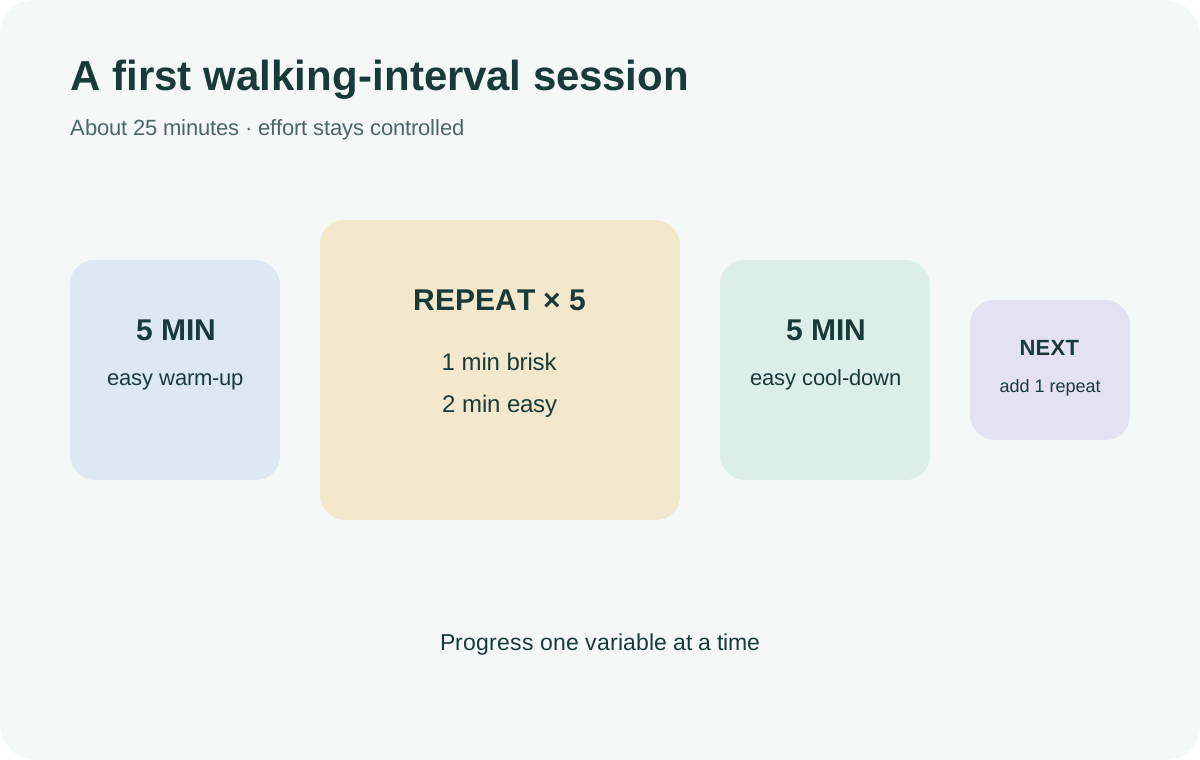
- Warm up easily for five minutes.
- Walk briskly for one minute.
- Return to an easy pace for two minutes.
- Repeat the brisk/easy pair five times.
- Cool down easily for five minutes.
This totals about 25 minutes. If one-minute brisk periods are too much, use 20 or 30 seconds. If they feel easy and recovery is complete, add one repetition before making the fast sections harder.
Progress one variable at a time
You can add intervals, lengthen brisk periods, shorten recovery, choose a hill or increase brisk pace. Changing all five at once makes the response hard to interpret and can overload calves, feet or knees. Keep at least one easy day between harder interval walks initially.
A practical four-week progression is five one-minute efforts, then six; next extend some efforts to 90 seconds; finally repeat the successful week. A repeat week is consolidation, not failure.
Adapt the environment
Use lamp posts, song sections or path landmarks if watching a timer is distracting. A slight incline increases demand without race-walking. Indoor corridors, treadmills and shopping centres can provide predictable surfaces. People using mobility aids can vary purposeful propulsion or route slope with professional guidance.
Choose visibility, crossings, temperature and footwear before intensity. At night, reflective clothing and a familiar route matter more than a perfect protocol.
Common mistakes
The brisk section should not become a sprint. Leaning far forward, overstriding and holding the breath create strain without necessary benefit. Keep steps quick and comfortable, arms relaxed and posture natural. Avoid treating soreness as proof of effectiveness.
Another mistake is skipping recovery because the easy pace feels too easy. Recovery is what allows repeated quality. The contrast is the training design.
Who should get advice first?
Seek individual guidance after a recent cardiac event, with unstable symptoms, severe balance problems, uncontrolled blood pressure or a condition that makes exertion unpredictable. Stop and obtain urgent help for chest pressure, fainting, severe breathlessness or new neurological symptoms. Persistent joint pain, swelling or limping deserves assessment.
Track the right outcome
Record the session pattern, perceived effort and next-day response. Over several weeks, the same route may feel easier, recovery may arrive sooner or brisk periods may become longer. Daily scale weight and calorie estimates do not measure cardiorespiratory adaptation reliably.
The best programme leaves you willing and able to repeat it.