14 articles
Mind & Brain
Attention, memory, meditation, cognitive habits and brain science.
Explore section →Evidence-aware reporting on the practical foundations of wellbeing—from sleep and brain health to nutrition, movement and longevity.

What rhythmic-audio research shows, where the evidence remains uncertain, and why a structured sequence may matter more than a number on a thumbnail.
Read the feature →Each section is built around practical reader questions, transparent sourcing and realistic boundaries.
Attention, memory, meditation, cognitive habits and brain science.
Explore section →Sleep architecture, circadian rhythm, rest and recovery habits.
Explore section →Food patterns, energy, hydration, digestion and evidence literacy.
Explore section →Walking, strength, mobility, posture and recovery.
Explore section →Stress physiology, transitions, breathwork and emotional regulation.
Explore section →Healthspan, screening literacy, social health and sustainable habits.
Explore section →Sound, music, brainwave entrainment and safer listening.
Explore section →Routines, environment, digital habits and practical self-care.
Explore section →Recent reporting and practical guides from the editorial desk.
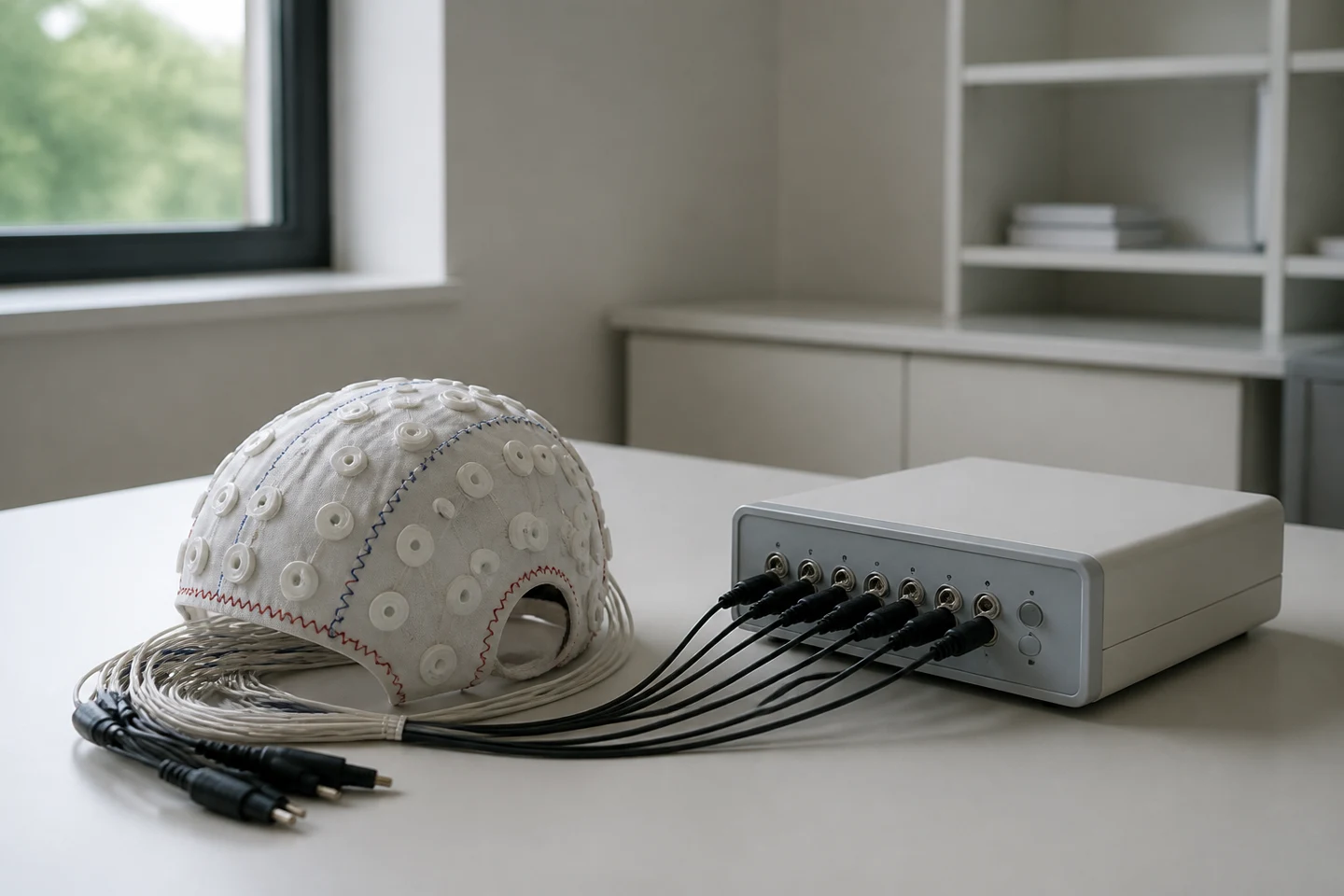
Brainwaves are measurable patterns, not personality types or magic switches. A clear guide to alpha, beta, theta, delta and gamma—and why mental flexibility matters more than chasing one state.
 Maya ChenDemo profile
Rhythmic sound can evoke neural responses, but a measured response is not the same as a guaranteed benefit. Here is what brainwave-entrainment research supports—and where marketing runs ahead of evidence.
 Jonas ReedDemo profile
Closing the laptop does not always end the workday mentally. Unfinished tasks, emotional rumination and blurred boundaries can keep work active—and a better shutdown ritual can help contain it.
 Daniel OkaforDemo profile
Your body clock coordinates far more than sleep. Learn how light, timing and daily routines shape circadian rhythms—and why the timing of an intervention matters.
 Elena MoralesDemo profile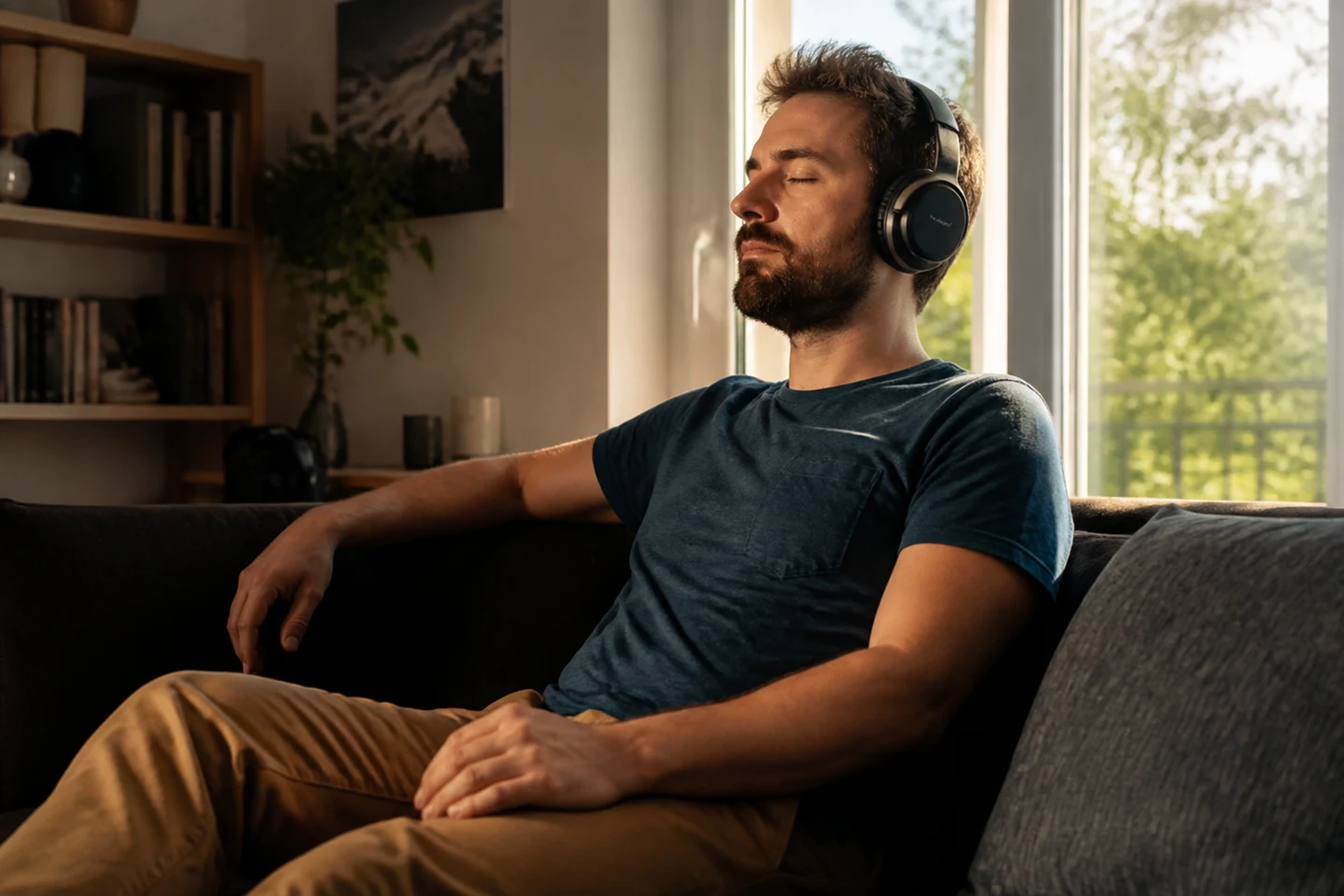
Rhythmic audio cannot control the brain on command, but it may support transitions in attention and arousal. A practical guide to choosing and testing a session without frequency hype.
Jonas ReedDemo profile
Steady energy is not a perfectly flat glucose line. Build a breakfast around fibre-rich carbohydrate, protein and enough food—then judge it by hunger, comfort and the morning you actually have.
 Noah WilliamsDemo profile
Walking counts before it becomes a workout. Learn what step totals, pace and short movement breaks can—and cannot—tell you, and how to build a useful habit from your own baseline.
 Priya ShahDemo profile
Stress is an adaptive response, but repeated demands without enough control or recovery can make activation the background of daily life. Here is how to recognise the pattern and respond without self-blame.
Daniel OkaforDemo profile
EEG can reveal patterns associated with meditation, but it cannot measure enlightenment or identify one ideal brainwave state. A guide to gamma findings, artefacts and the difference between state and trait.
Maya ChenDemo profile